The term “aikuchi “ means “mouth meeting,” referring to the flush connection between the koiguchi and fuchi. Highly fashionable from the Kamakura period (1185 - 1333 CE) onwards for court nobility and the upper class, the guardless weapon became more discreet, perfect for self defense or as a status symbol. During the relatively peaceful Edo Period (1603 - 1867 CE), women of samurai families also carried a kaiken (in aikuchi style) for protection. For enthusiasts of Japanese sword art, the seamless silhouette of an uninterrupted exterior allows for better appreciation of the blade.
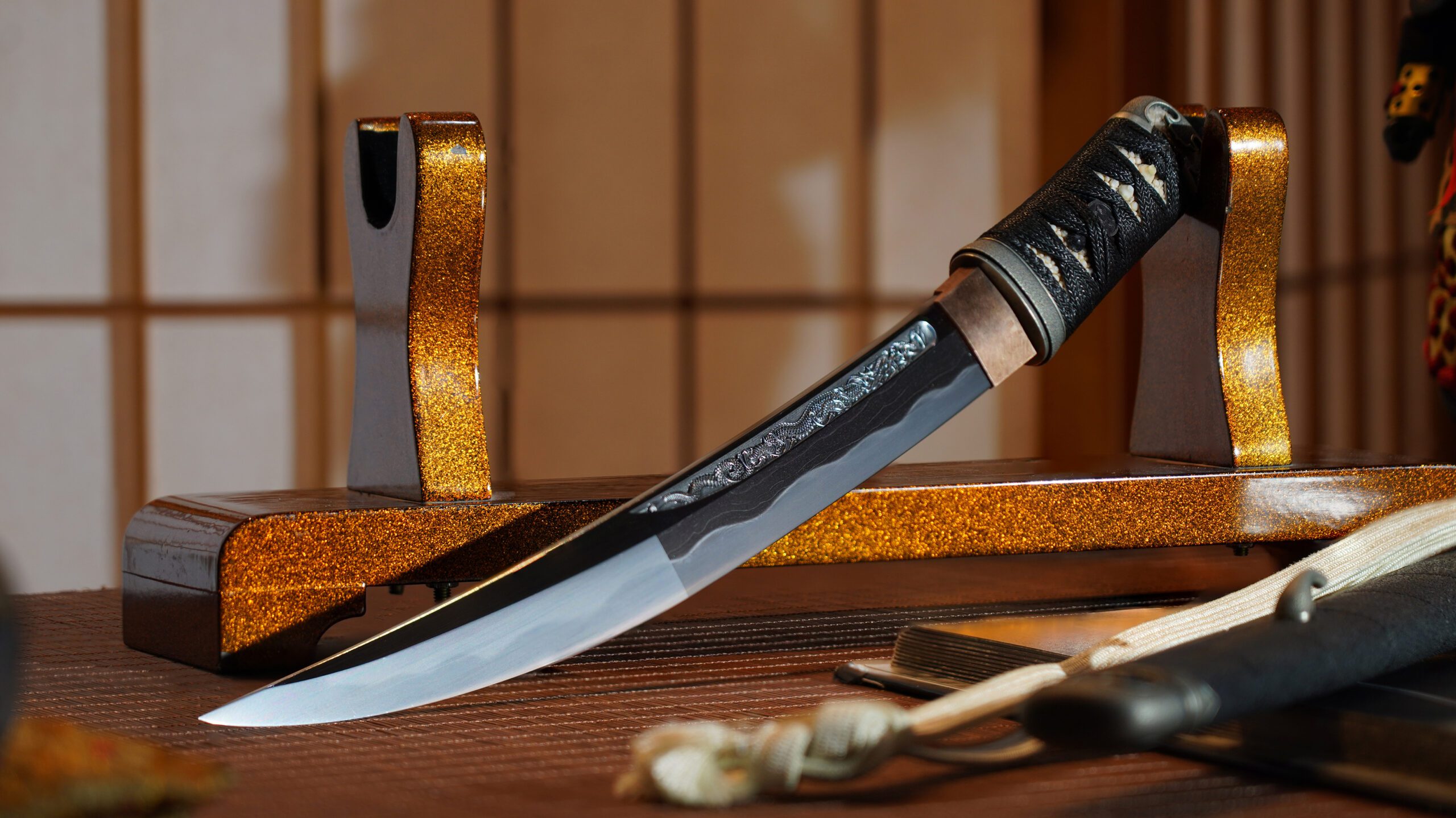
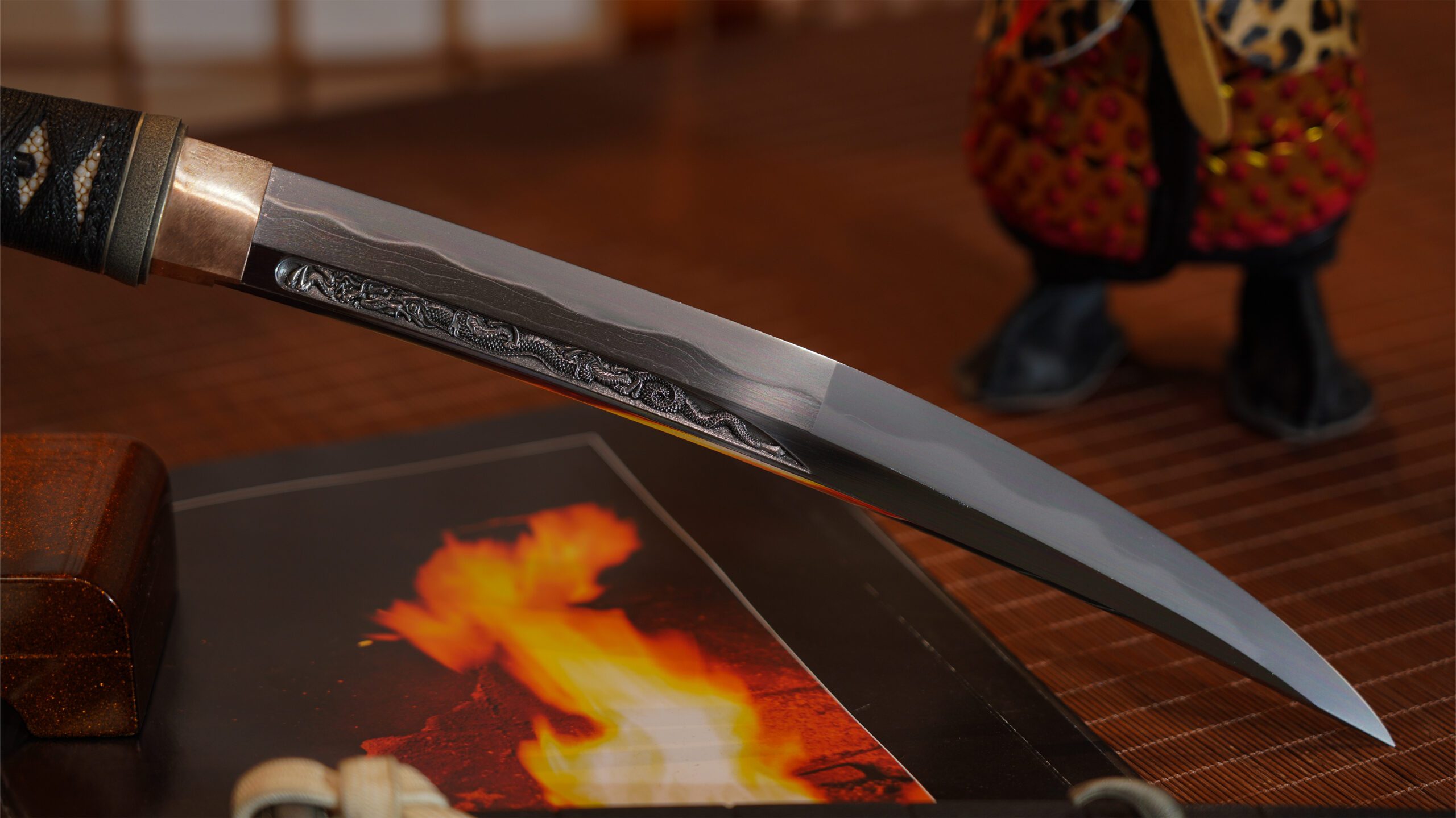
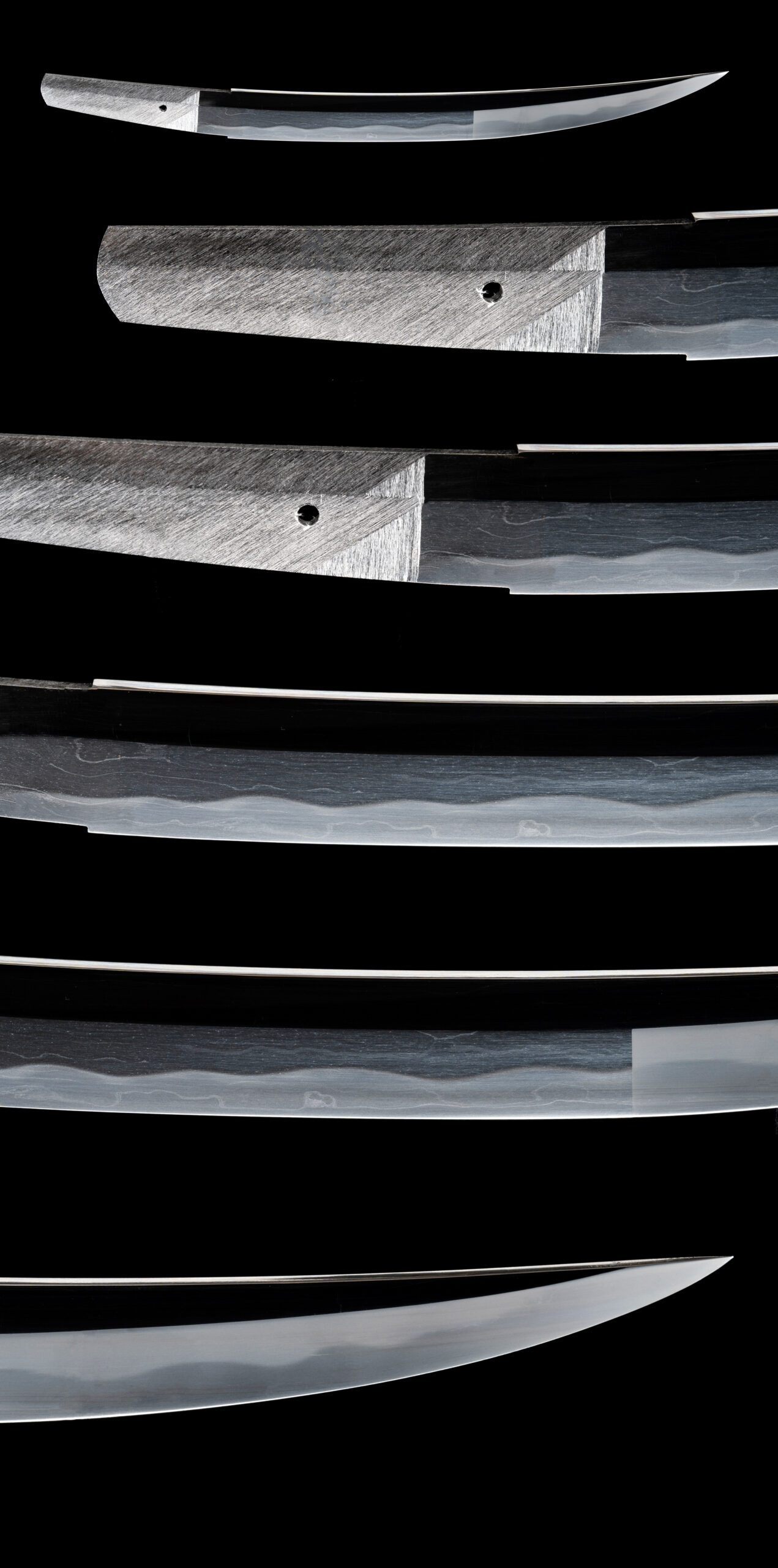
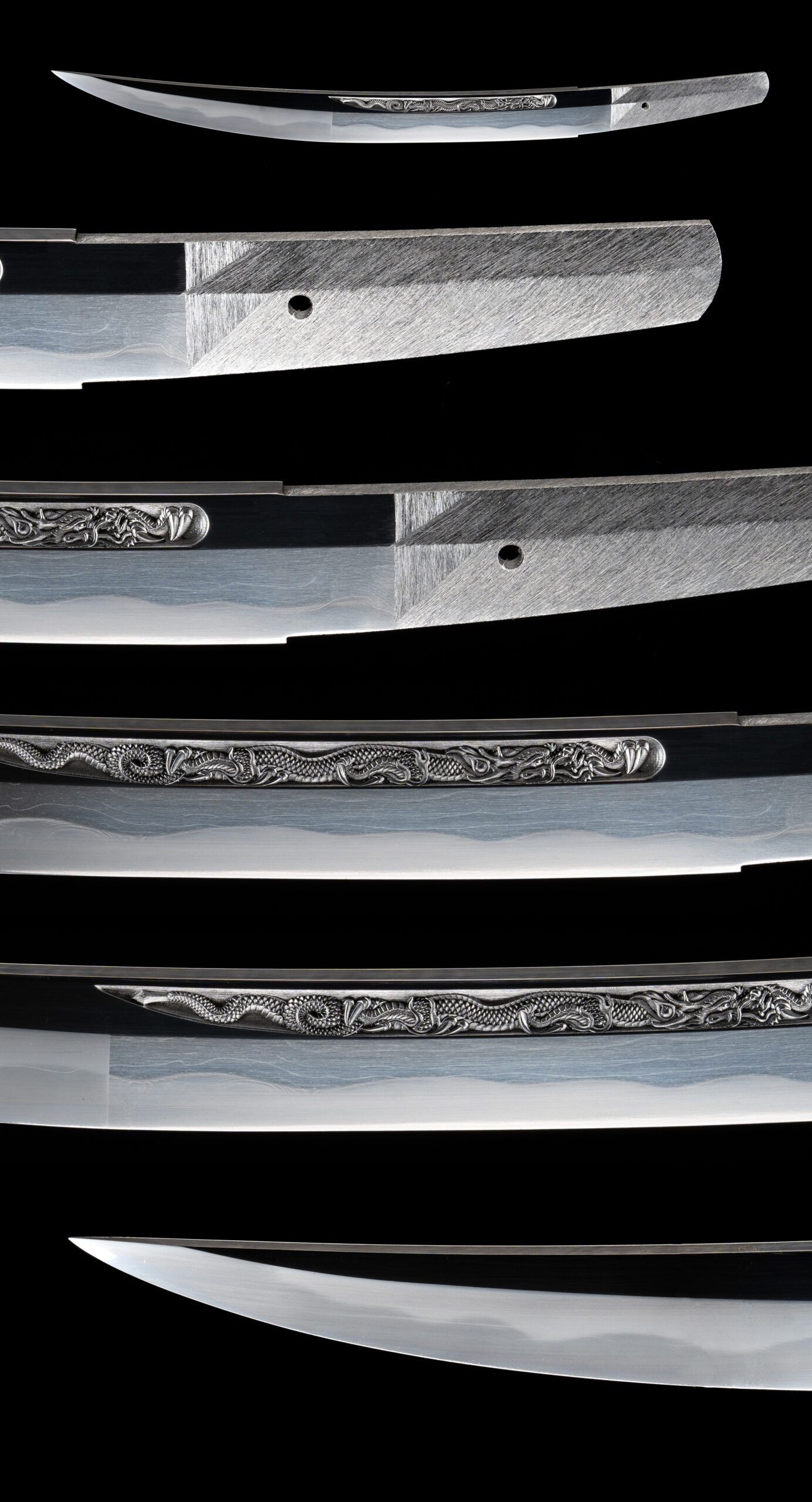
With this in mind, Z-sey’s Aikuchi Tanto is meticulously and uniquely designed, exhibiting an osoraku zukuri (dramatically elongated kissaki, with the yokote pushed far down the blade) blade. Generally considered rare, this zukuri from the late Muromachi or Sengoku period is visually striking. Forged from tamahagane steel, the differentially heat treated and clay tempered blade showcases a stunning notare (undulating) hamon and jihada, accentuated through traditional sashikomi polishing. A highly intricate horimono of an entire three-clawed dragon maximizes the tanto’s visual impact.
Unlike Chinese dragons where the number of claws denotes social rank, Japanese dragons are traditionally portrayed as having three claws. Benevolent guardians linked to rain, water, and agriculture, they symbolize protection, strength, wisdom, and mastery over the elements.
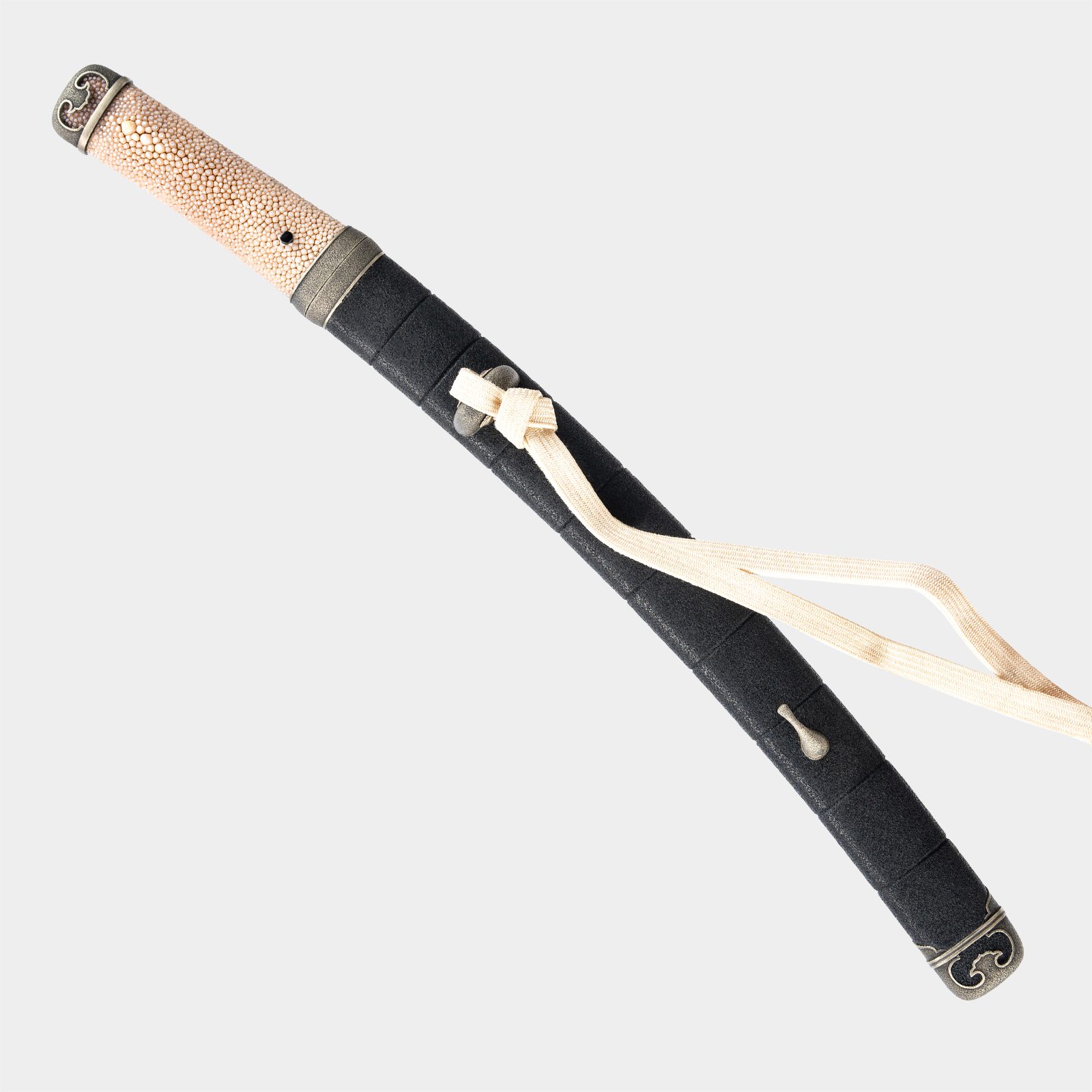
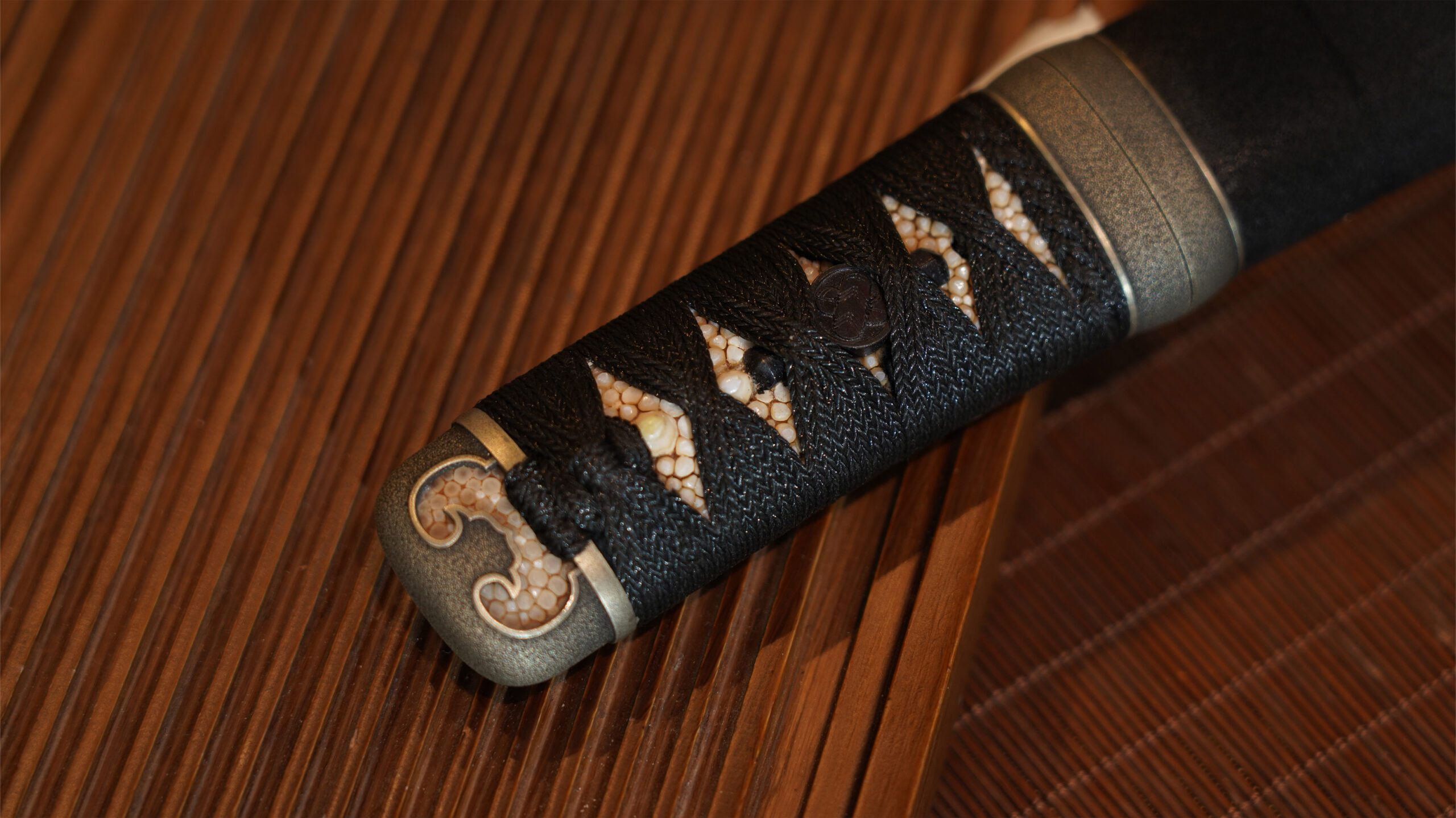
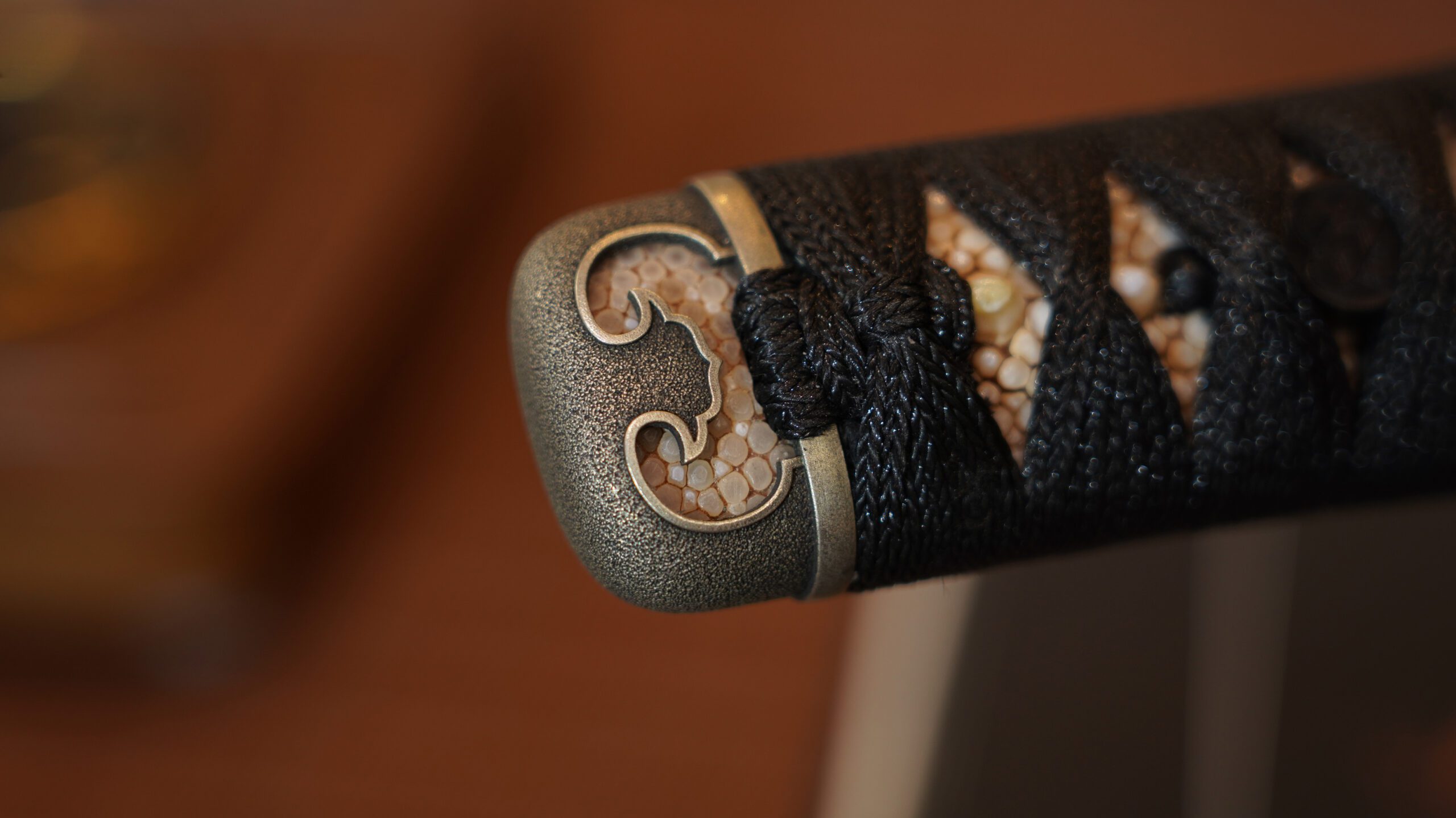
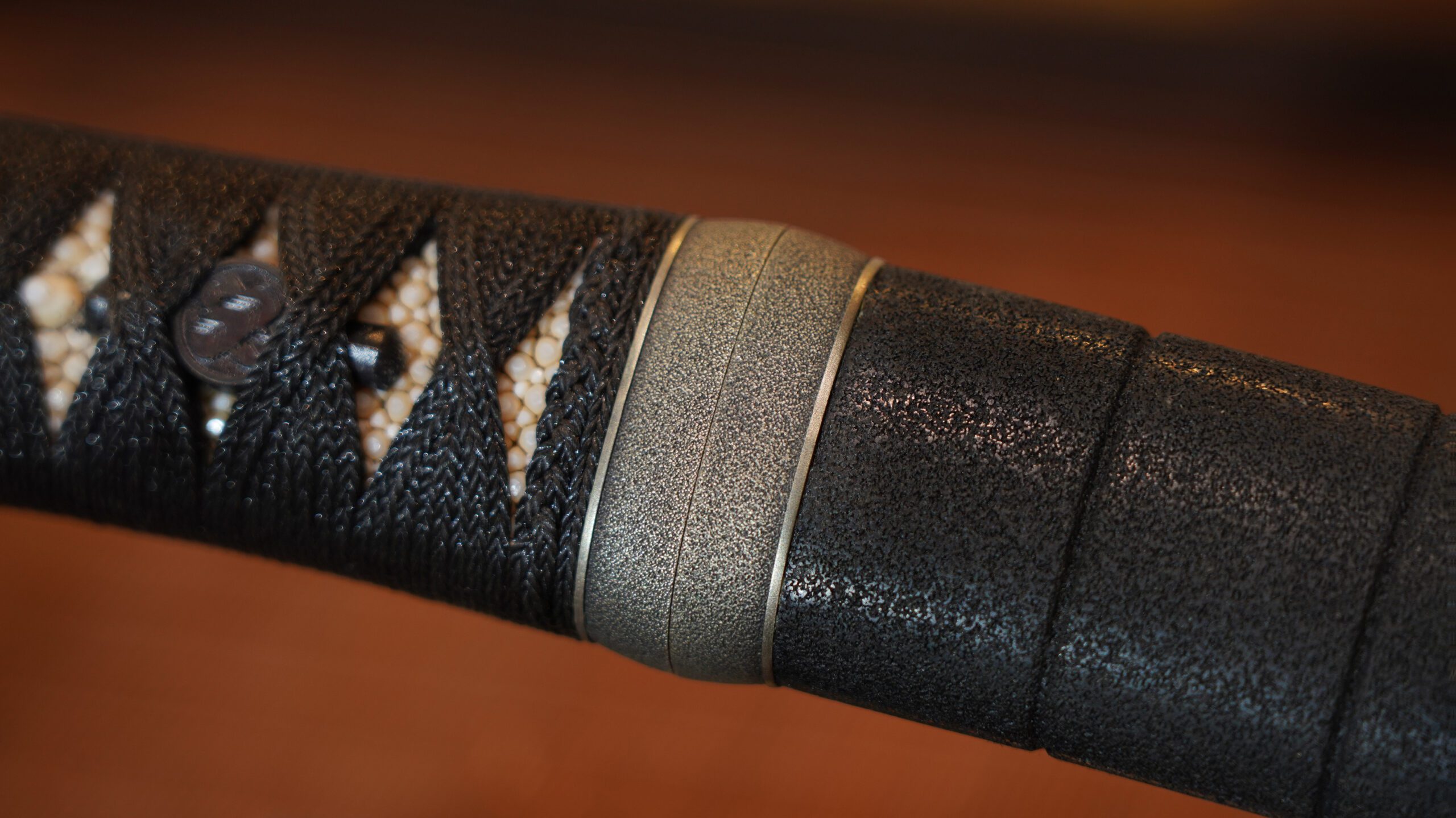
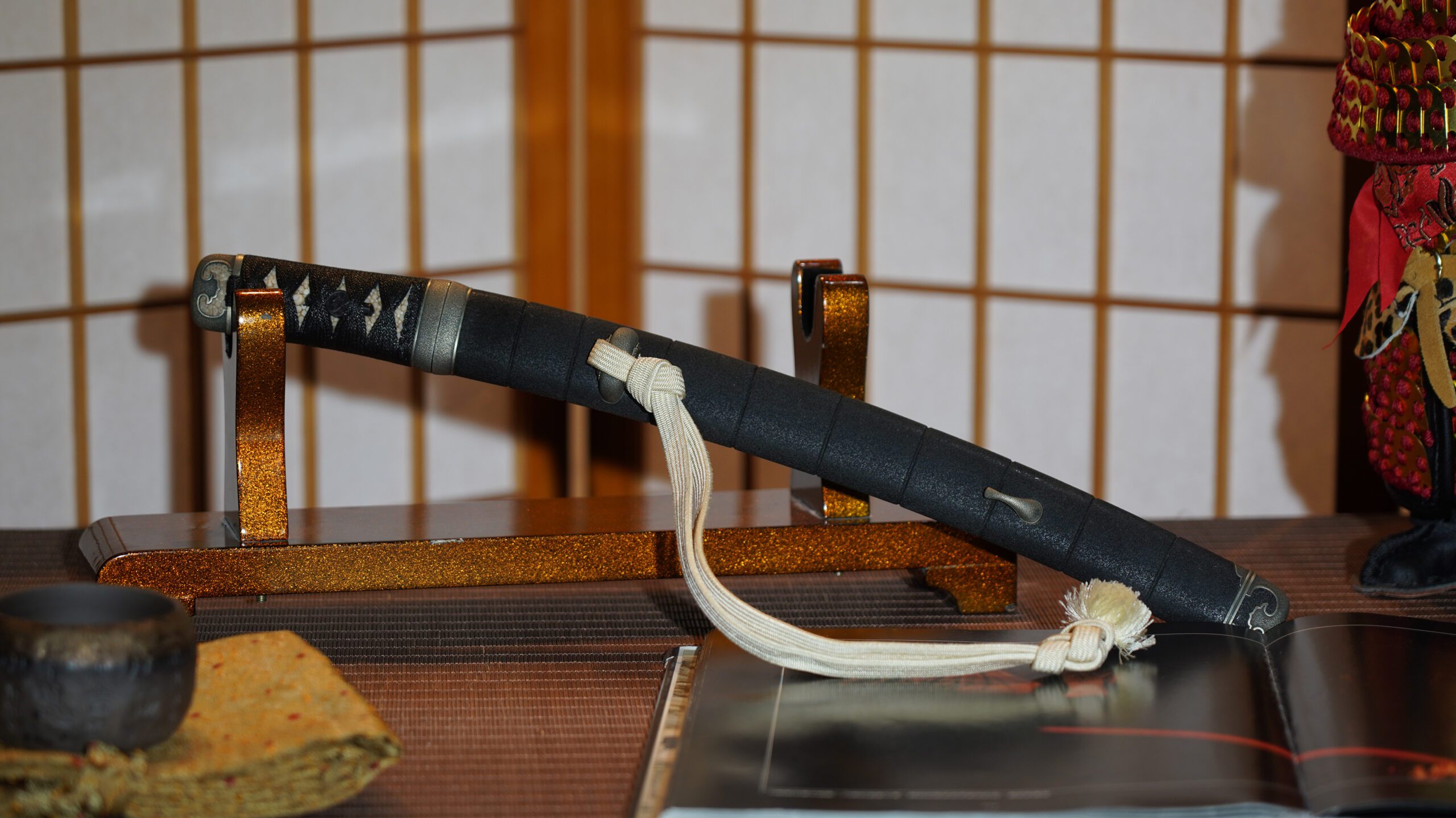
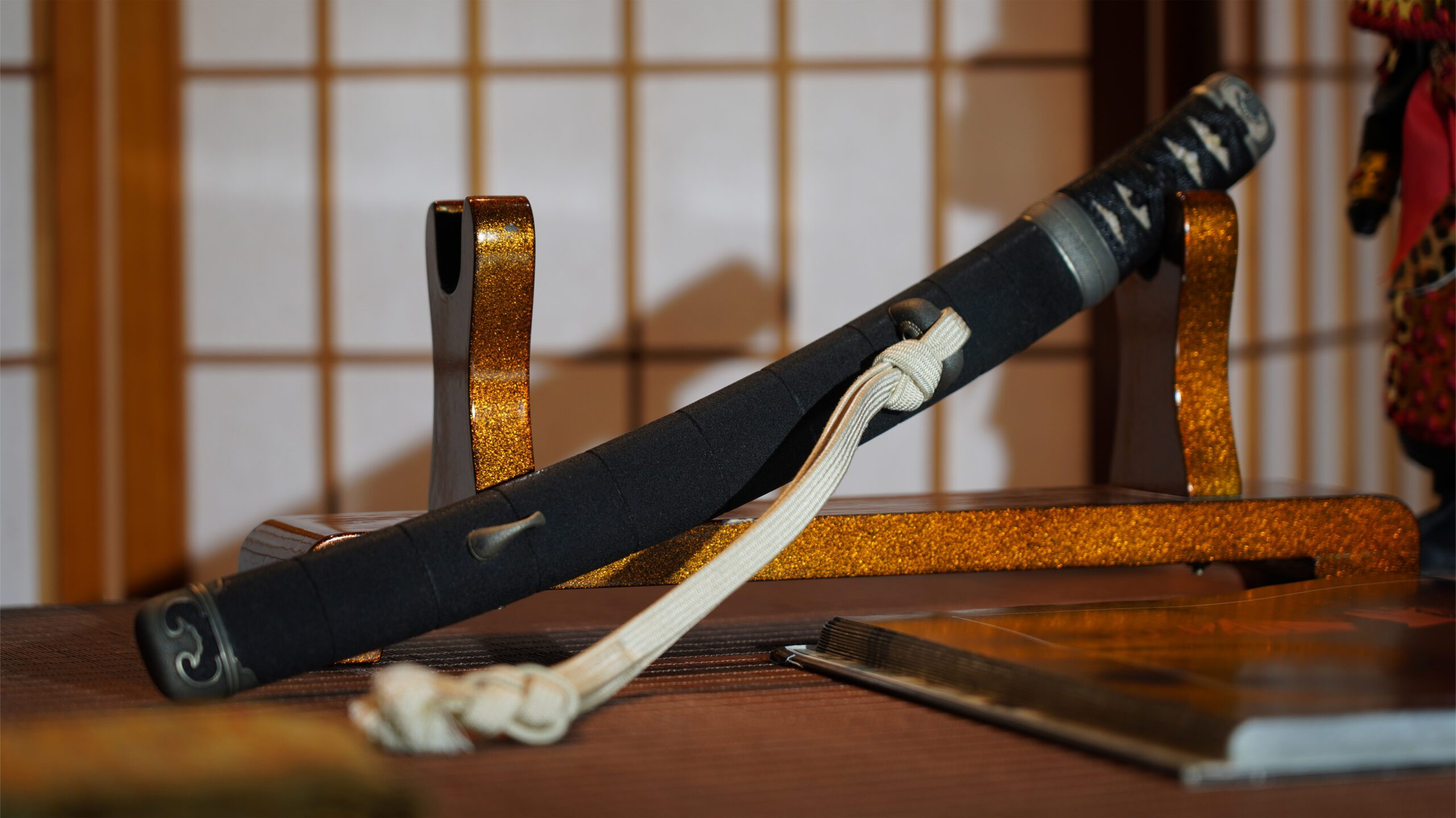
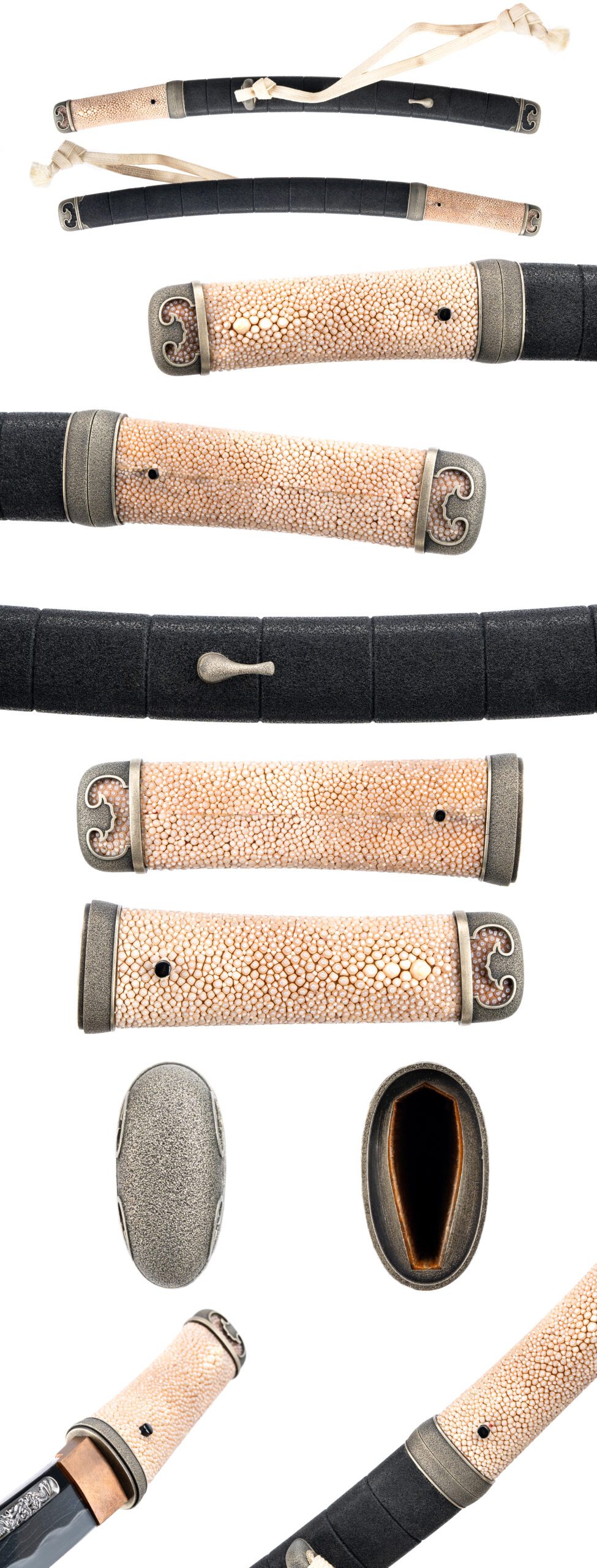
Premium quality koshirae for this tanto include ishime (stone textured) cupronickel fuchi and kashira, copper habaki, and silver-toned seppa.
Following traditional construction, one mekugi secures the nakago to the wooden core tsuka fully covered with samegawa (makizame) for structural strength and rigidity. There is an option for a tight jabaramaki, paired with cupronickel menuki. This elaborate and rare tsukamaki utilizes multiple fine cords to create a dense, arrow-patterned design in place of the typical hishigata (diamond shape). Considered one of the most time-consuming and complex wrapping techniques, it requires a master craftsman days of painstakingly precise stitching and alignment.
Last but not least, this masterpiece is completed by a saya with horn fittings, cupronickel shitodome, and Japanese rayon sageo. A layer of carbon fiber is bonded over the wooden core scabbard, providing an ultra lightweight, durable, and scratch resistant shell.






 Ordering within the USA:
 Shipping outside of USA:


