Minamoto Kiyomaro, 源清麿 (1813 - 1854 CE), is one of the most renowned and sought after swordsmiths from the late Edo period. On par with Kotetsu, the great shintō smith, Kiyomaro earned the moniker “Masamune of Yotsuya” after setting up his forge in Edo’s Yotsuya district. His work draws on the Sōshu, Mino, and Bizen traditions. Besides developing his own style, he also trained many outstanding smiths such as Saitō Kiyondo and Kurihara Nobuhide.
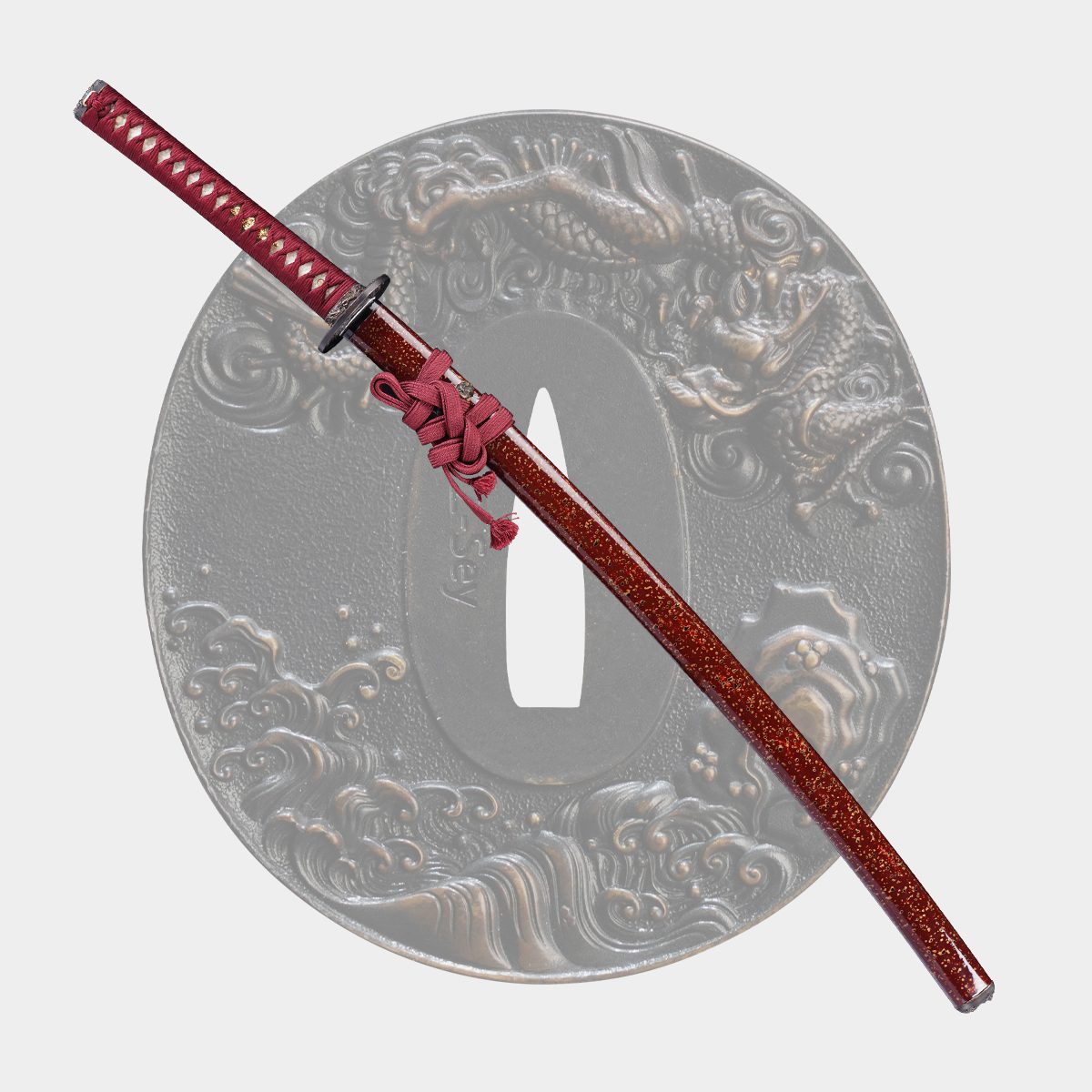
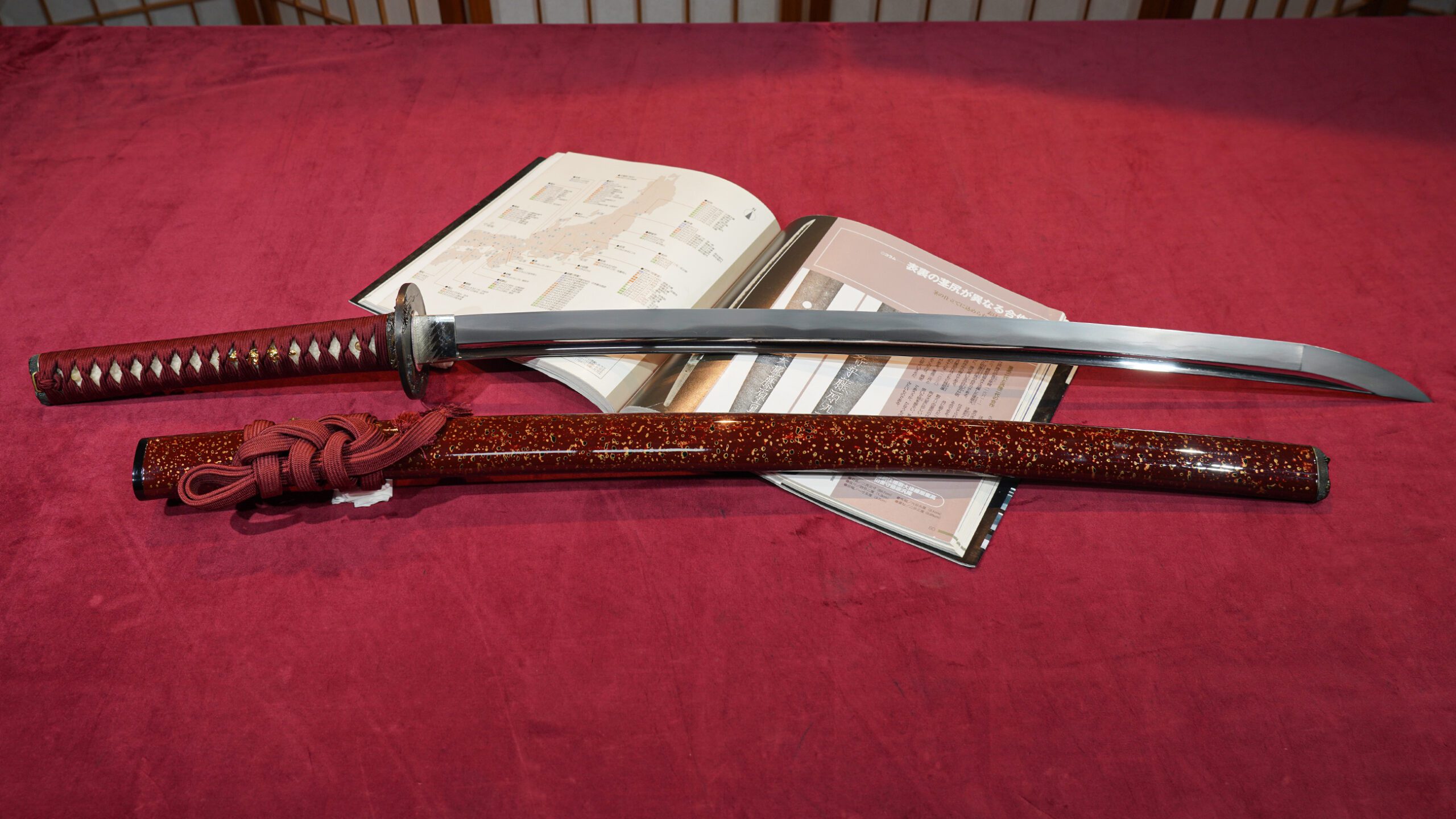
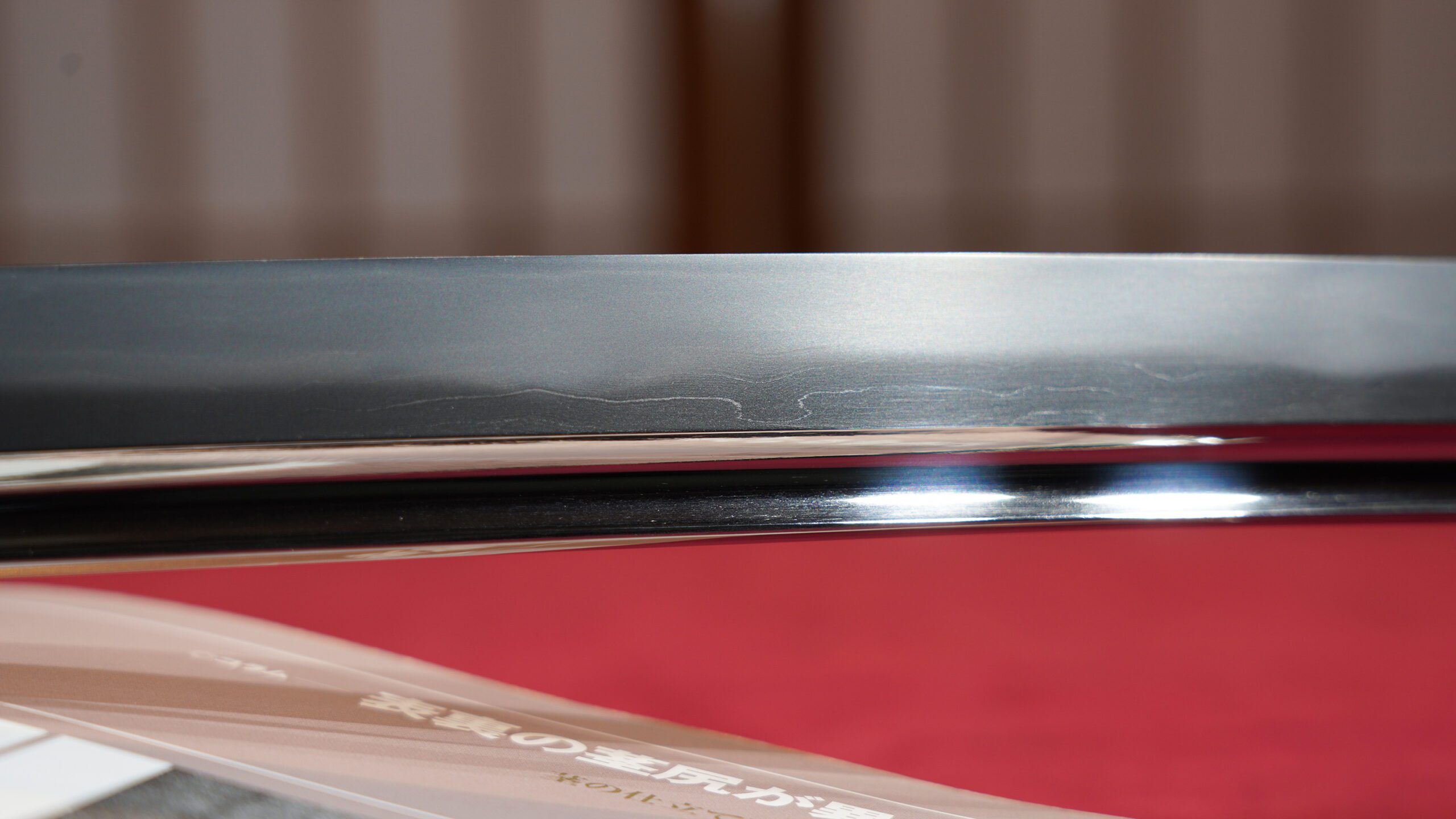
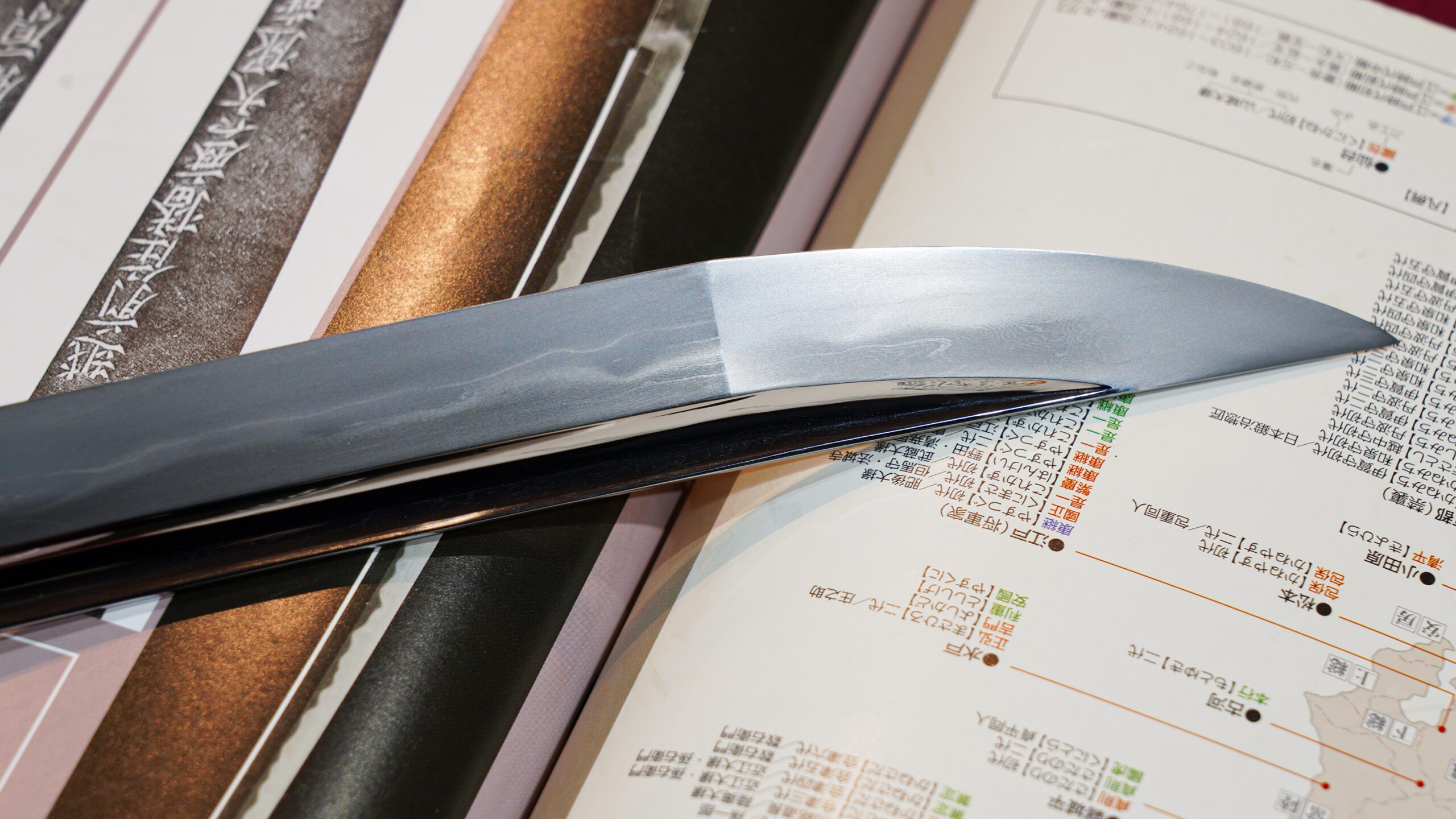
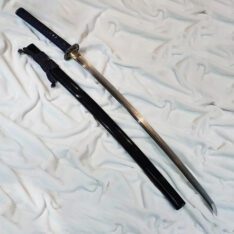
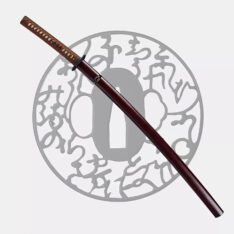
Z-Sey's Minamoto Kiyomaro Tamahagane Katana replica is a homage to the smith himself. Forged from tamahagane steel, the shinogi zukuri (ridge line runs along the blade’s length on both sides) blade is differentially hardened and clay tempered to reveal an elaborate gunome (waves) hamon accentuated through traditional sashikomi A++ polishing by hand. Performed by specialists using Japanese stones and oils, meticulous effort is put into bringing out maximum detail, depth, and contrast of the jihada and temper line. The blade also has a bohi with kakitoshi (a groove that runs through the full length of the tang) to lighten the overall weight of the sword while improving its point of balance.
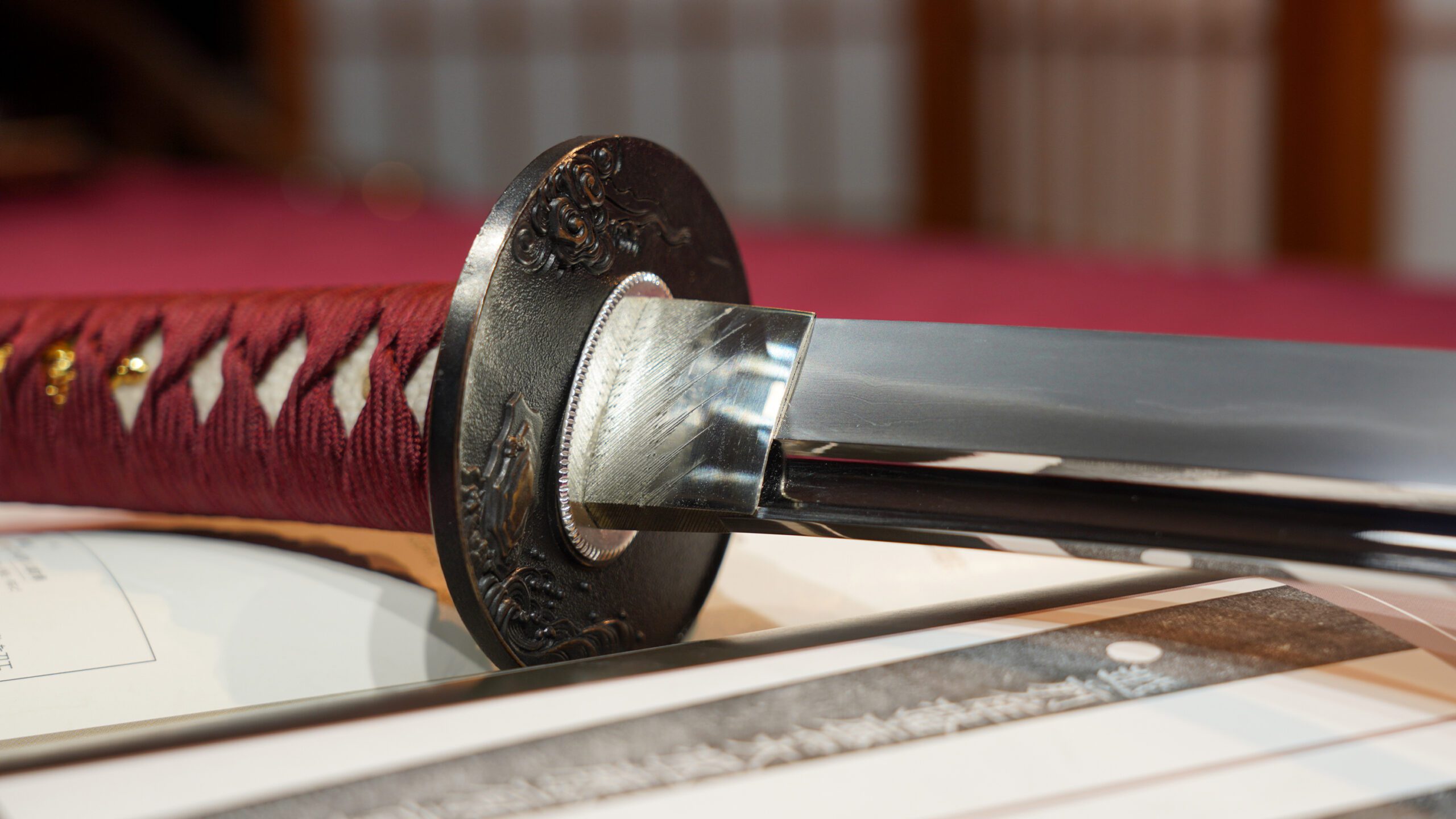
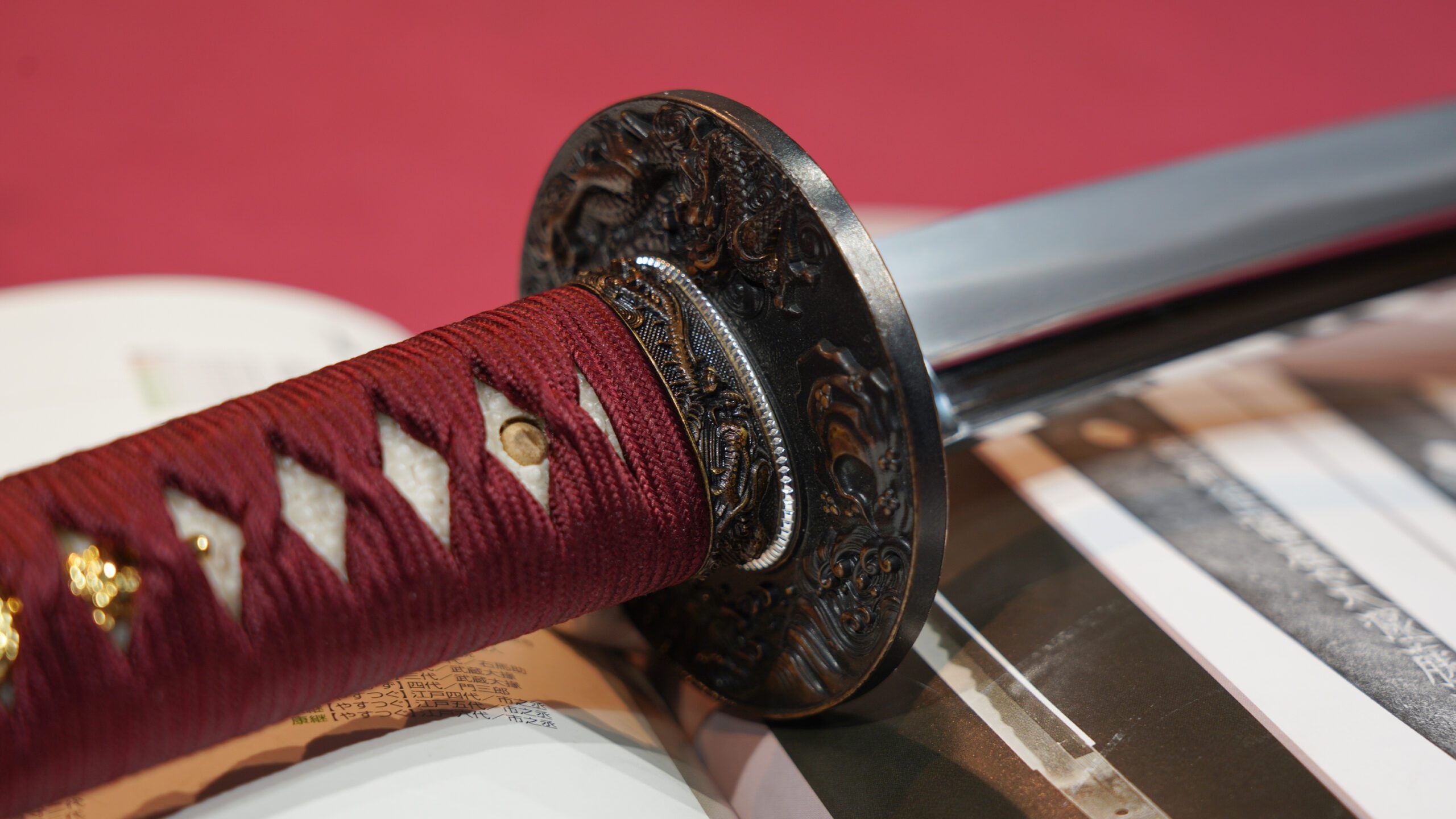
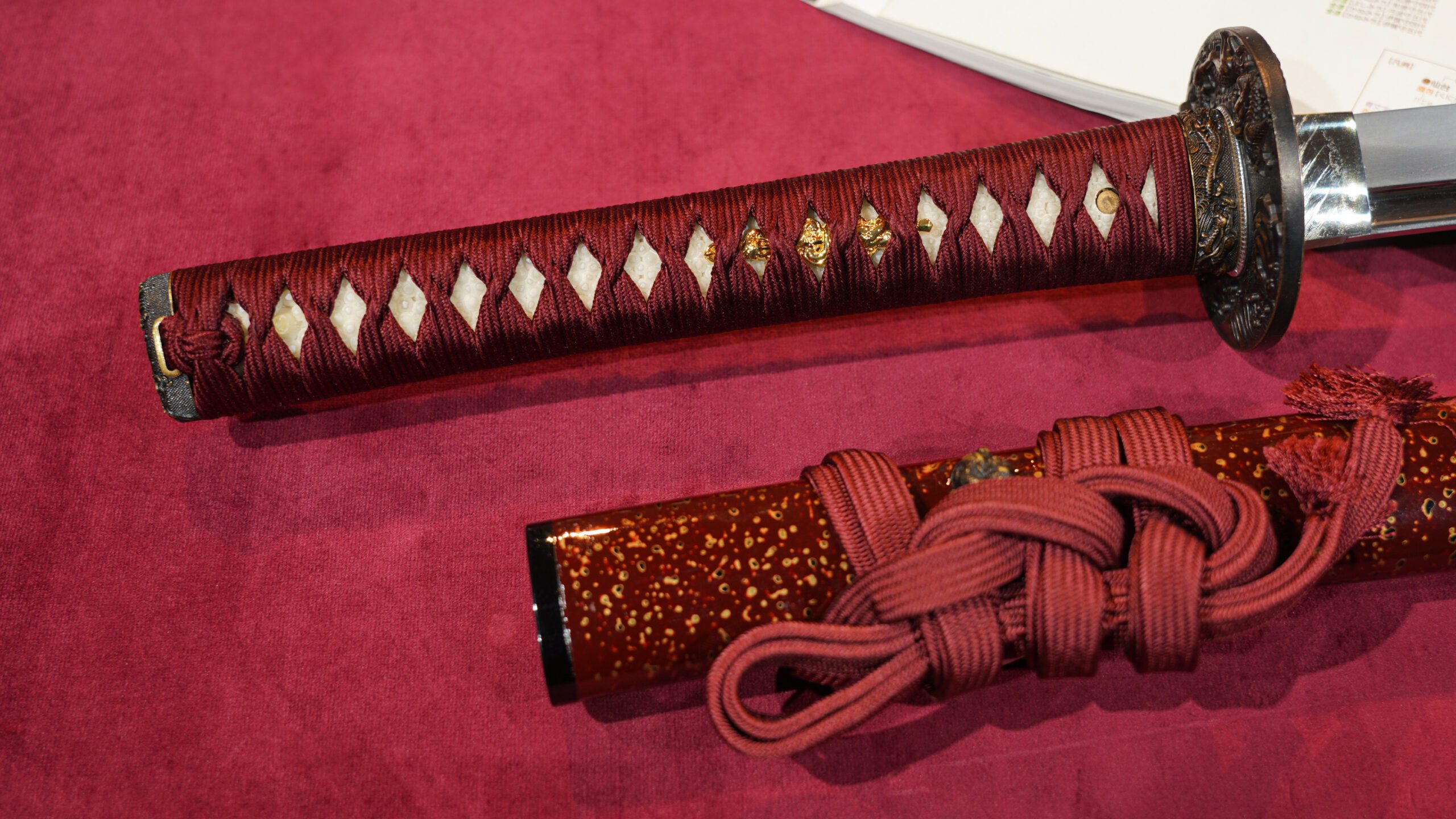
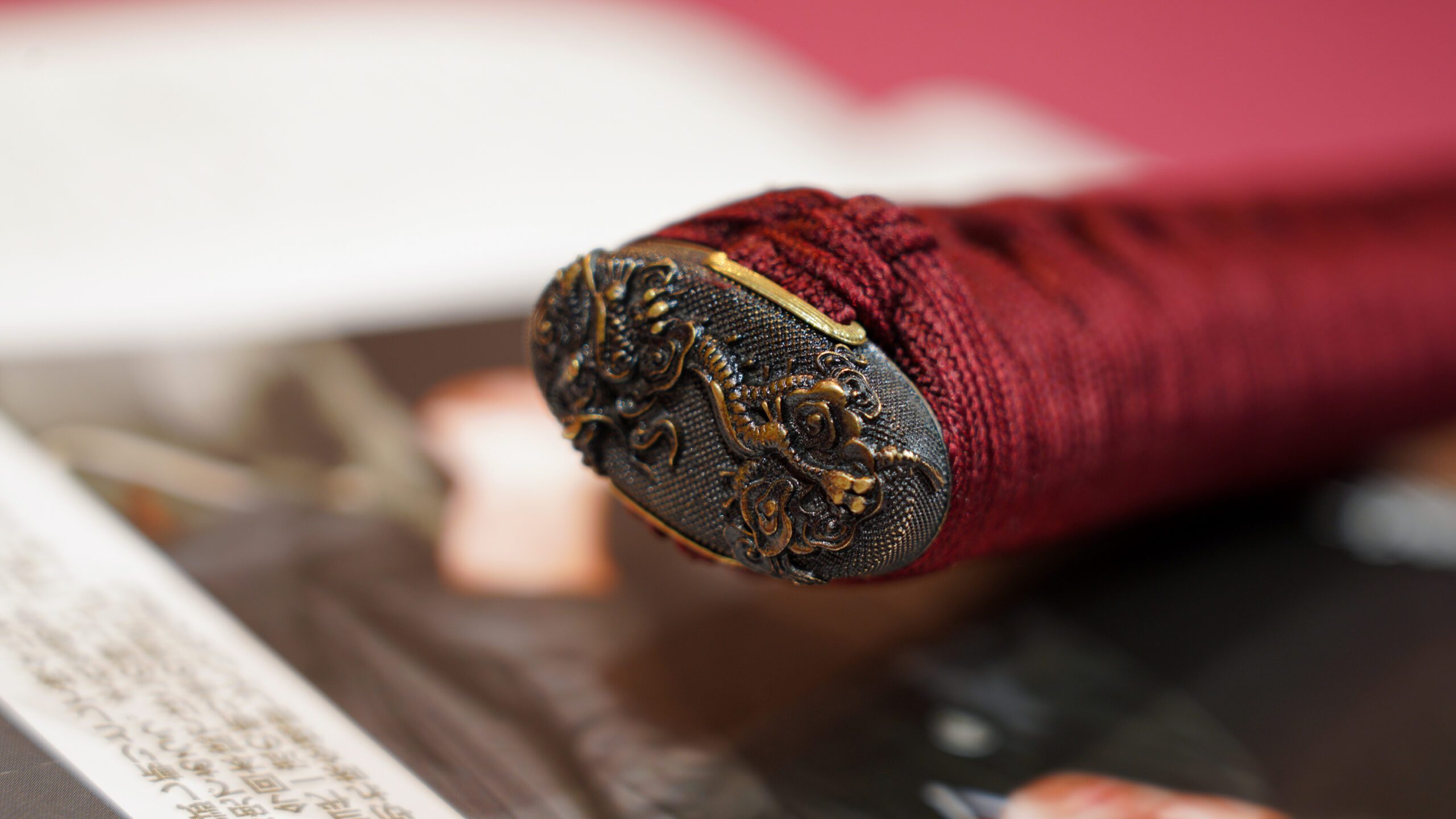
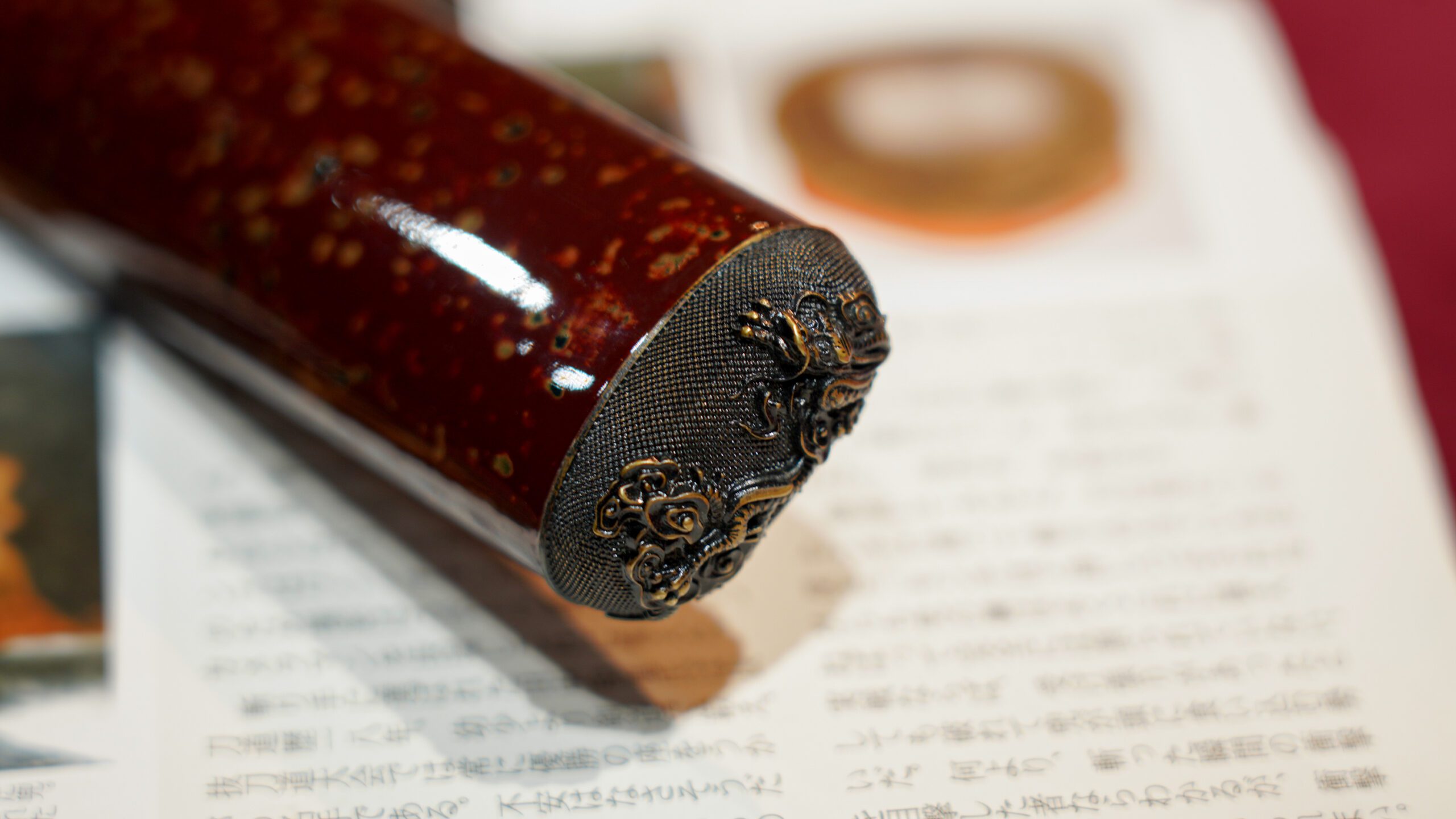
It is equipped with a brass maru gata (round) tsuba, fuchi, and kashira with a dragon amongst the clouds over turbulent waves, a prominent and enduring theme in Japanese koshirae. Unlike western dragons, the Japanese dragon is a benevolent deity associated with the rains and tides. The swirling clouds symbolize freedom, transformation, and the impermanence of life. Meanwhile, the turbulent waves signify unstoppable raw power, adaptability, and resilience. Together, this pairing evokes the balance of yin and yang. Complementing the design are gold-toned brass menuki, nickel-plated brass seppa, and a cupronickel habaki.
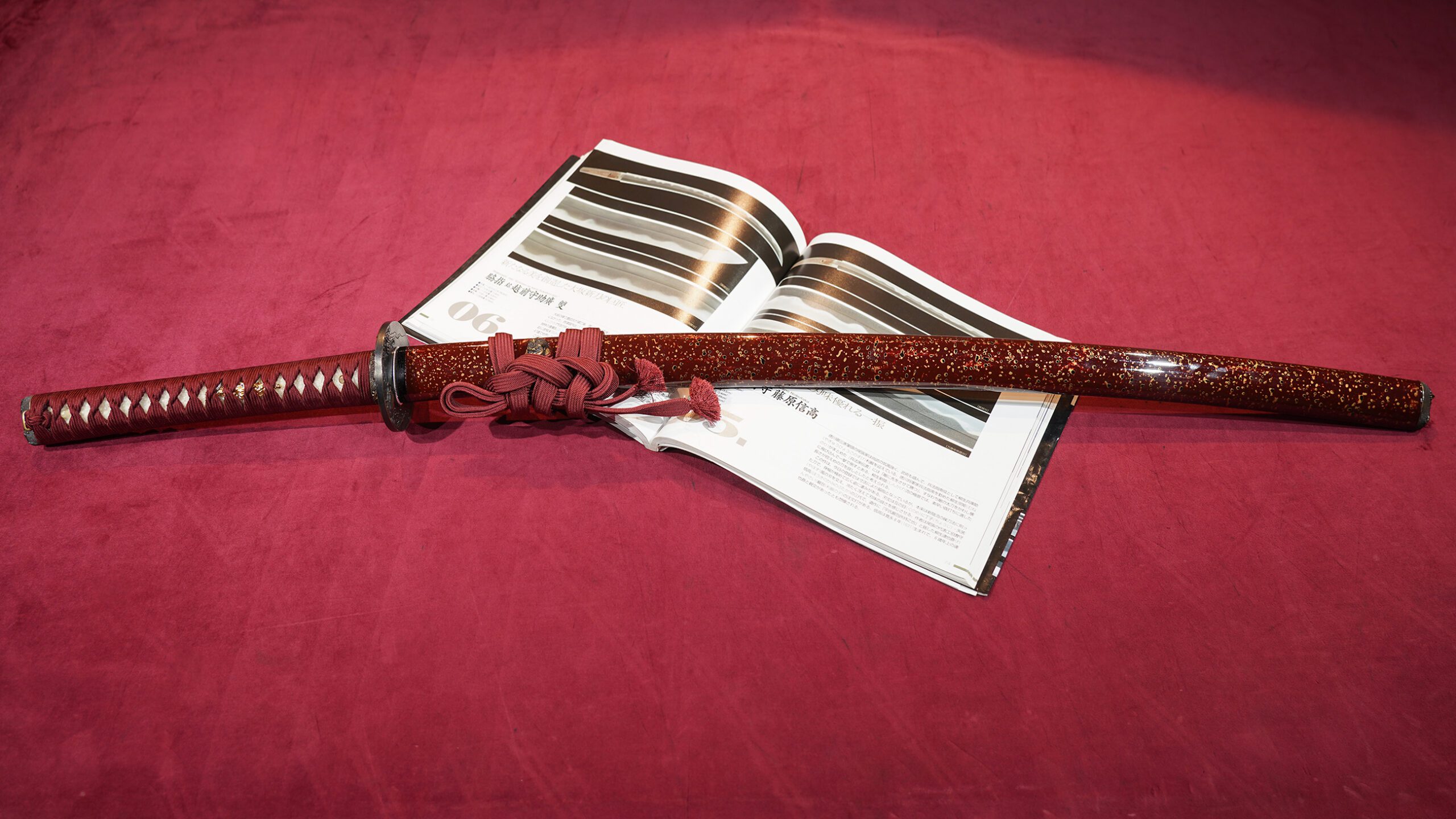
The blade is secured with a mekugi to the wooden Haichi style tsuka, which is first covered in white samegawa with a large emperor node and then tightly wrapped wine-colored silk tsukamaki. Hishigami (folded paper wedges) are inserted beneath the wrap, acting as an anchor to prevent it from sliding while also adding volume and padding to the handle, resulting in a solid and durable grip.
To complete the overall design, the katana comes sheathed in an oil lacquered handmade saya fitted with horn koiguchi and brass kojiri. The brass shitodome helps to protect the synthetic silk sageo from fraying.





 Ordering within the USA:
 Shipping outside of USA:


