Sengo Muramasa was a famous swordsmith known for crafting blades that are exceptionally sharp. Due to their high quality, his swords were favored by Tokugawa Ieyasu, founder of the Tokugawa shogunate and his followers.
Accounts tell of a series of tragedies involving Muramasa blades that struck Ieyasu’s family. His grandfather was killed by a retainer wielding a Muramasa blade, his father stabbed with one, and another was used at the seppuku of his eldest son. This led Muramasa’s swords to earn the reputation of being cursed.
The Tokugawa are said to have regarded Muramasa swords as ill-omened, though some historians doubt that Ieyasu himself shunned them, as a Muramasa was among the swords he left to his heirs. In the final years of the shogunate, rebels are said to have prized Muramasa blades as symbols of defiance. From the 18th century onward, folklore exaggerated them into bloodthirsty, demon-possessed swords that drove their owners mad.
One of the most famous works by Muramasa was once the favorite sword of daimyō Nabeshima Katsushige, 鍋島勝茂 (1580 - 1657 CE). The signature of the sword reads “Muramasa / Myōhō renge kyō / Eishō jūten mizunoto-tori jūgatsu jūsannichi (村正・妙法 蓮華経・永正十天癸酉十月十三日).” Myōhō renge kyō is the title of the Lotus Sutra, the core of the daimoku changed in Nichiren Buddhism, and the date, the 13th day of the tenth month of Eishō ten [1513], year of the rooster, is the death anniversary of the great Buddhist reformer Nichiren (日蓮, 1222-1282). Known as the Myōhō Muramasa or Daimoku Muramasa, this sword is recognized as an Important Art Object.
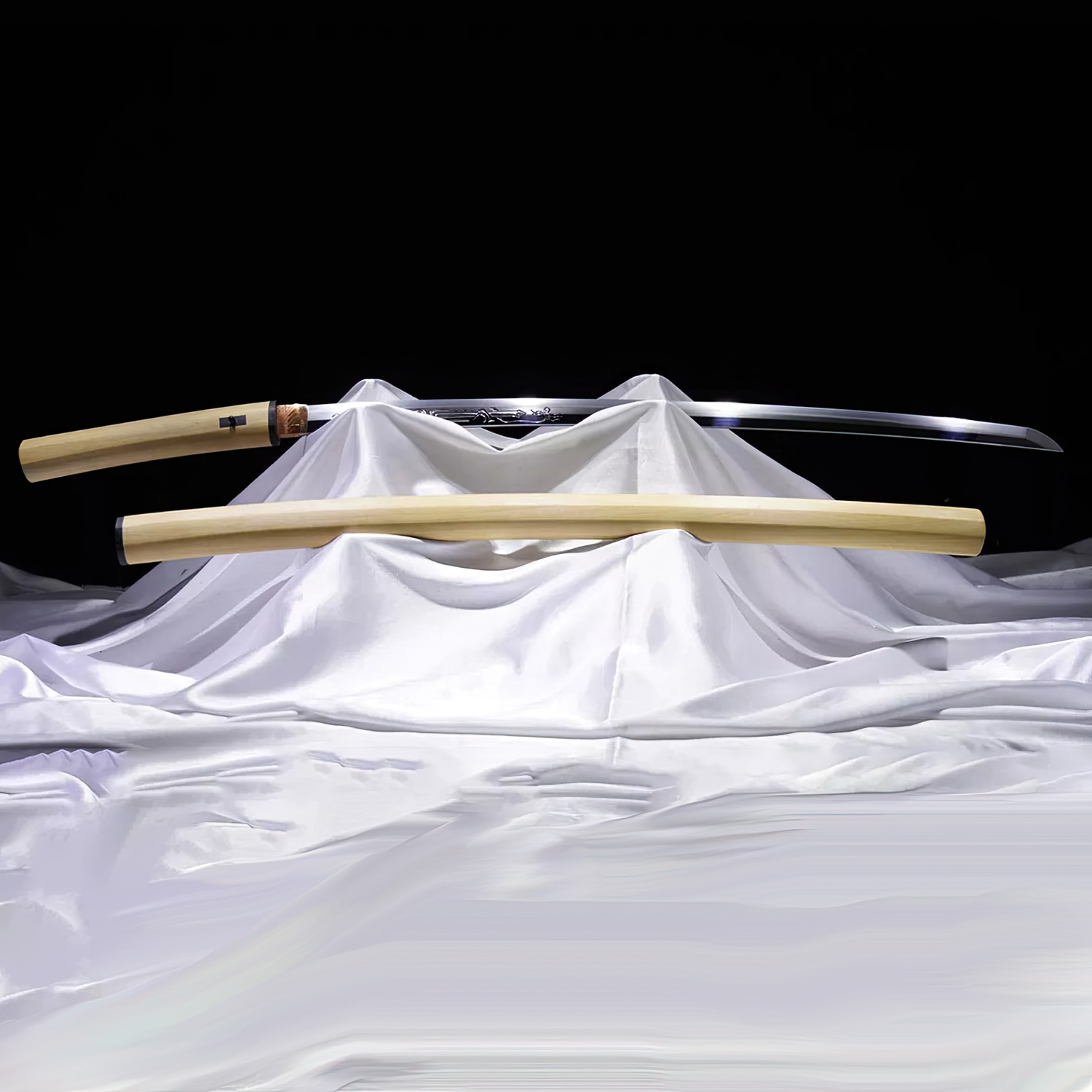
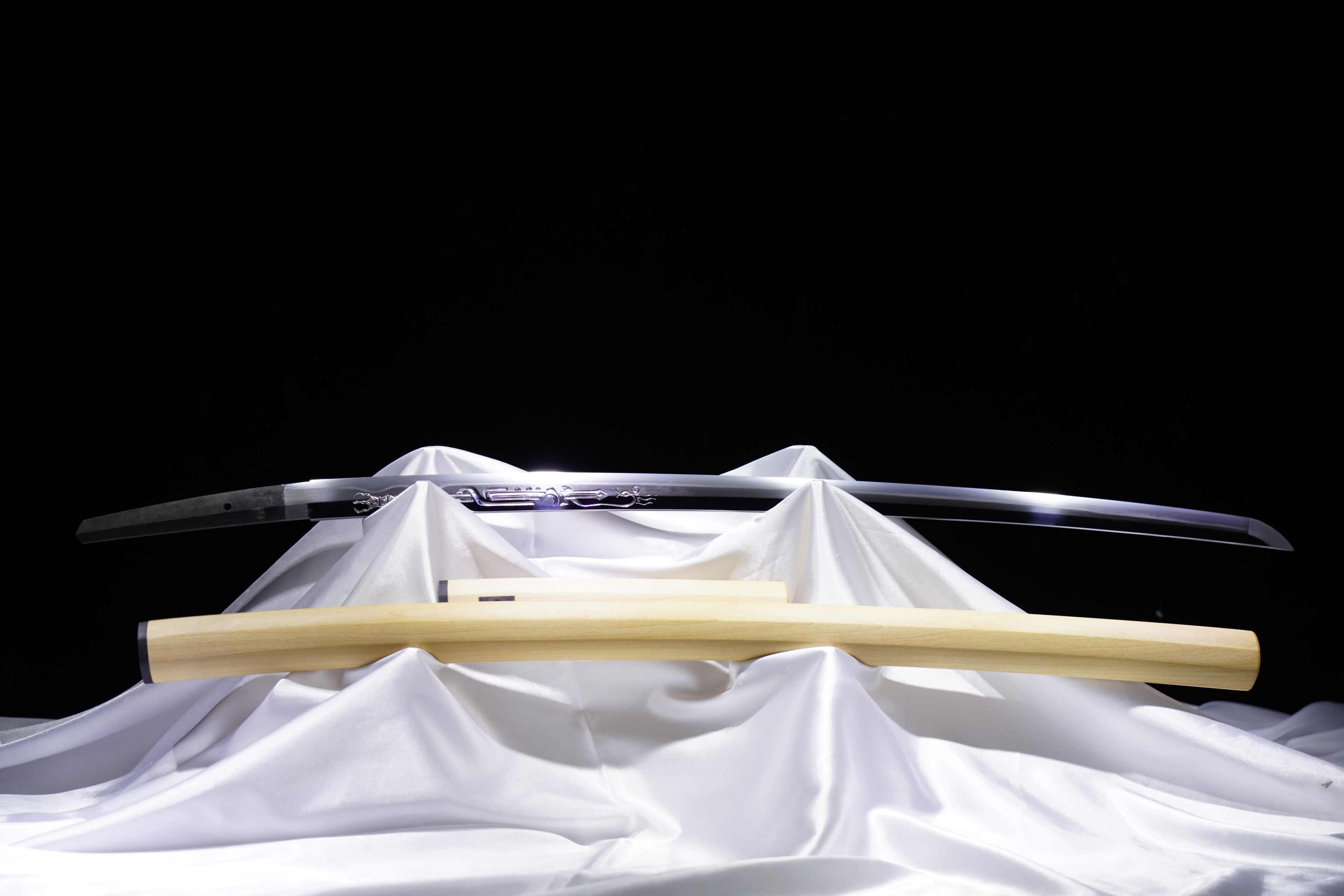
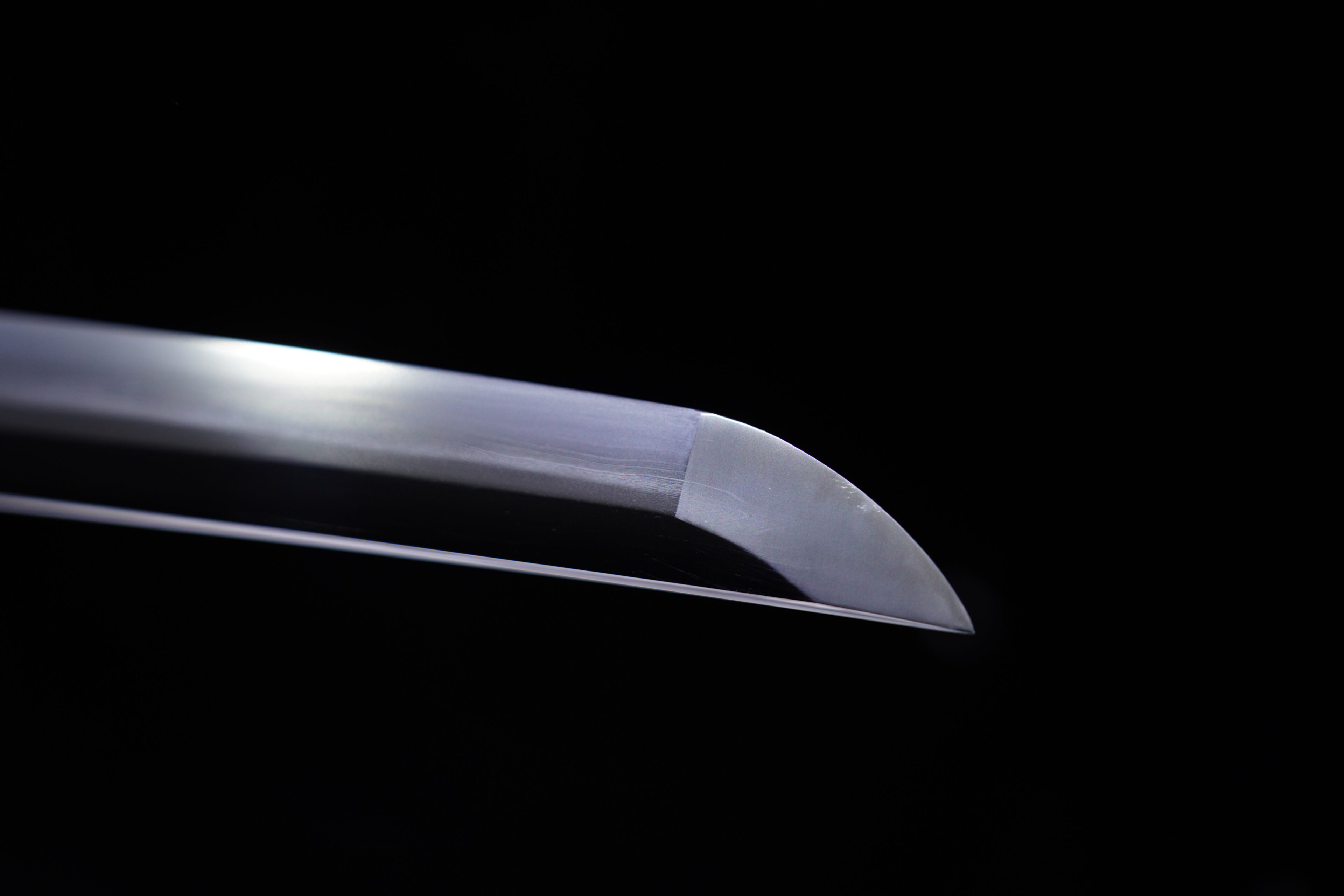
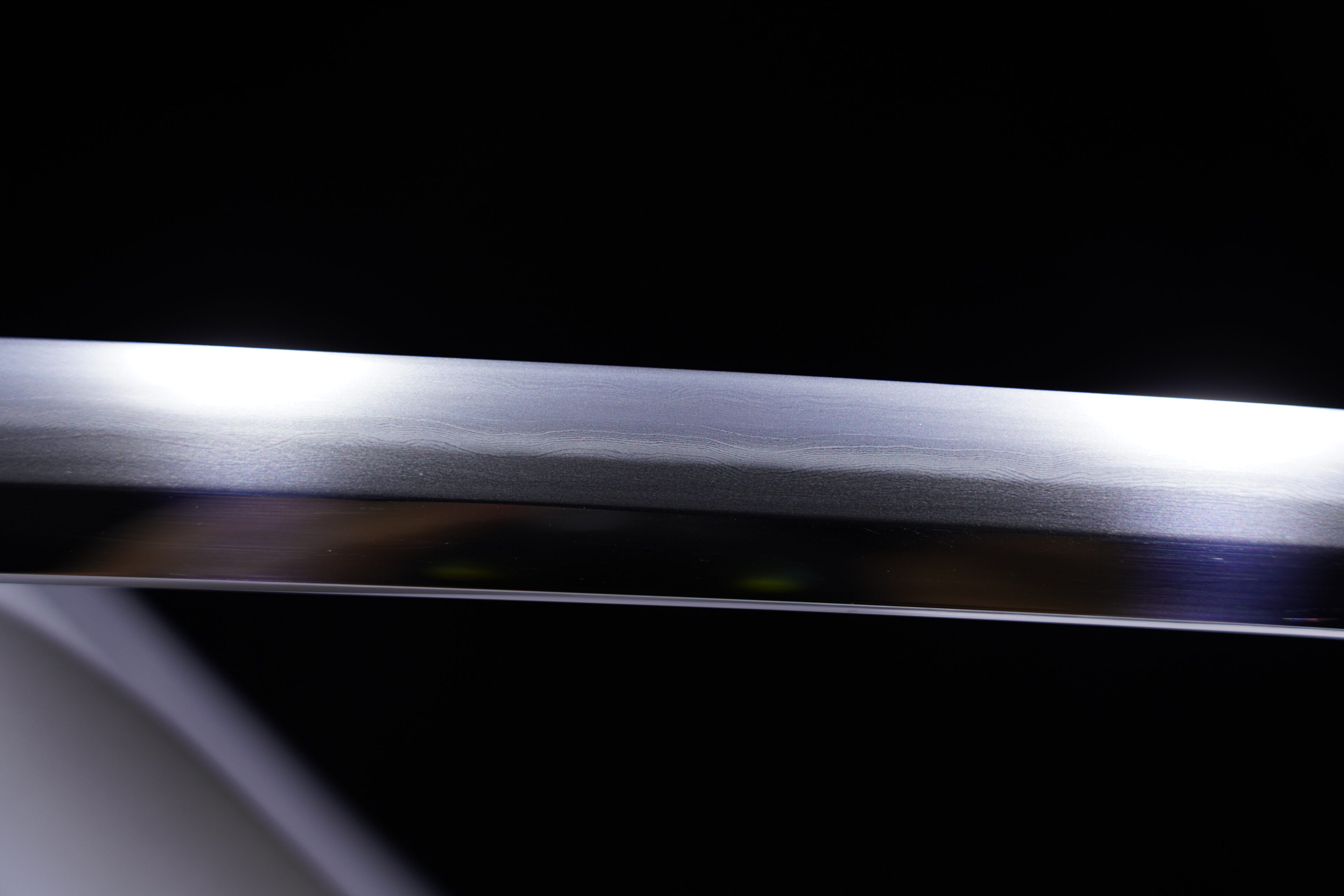
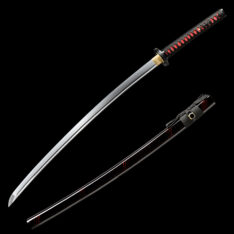
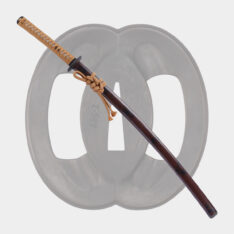
Inspired by this blade, Z-Sey’s replica follows the original’s 66.4cm (~26.1 inches) length. Forged from tamahagane steel, the blade is differentially heat treated and clay tempered to reveal an elegant hamon accentuated through traditional sashikomi A++ polishing by hand. This highest level of polishing is performed by specialists using the Japanese stone-and-oil method to bring out maximum detail, depth, and contrast in the grain and temper line.
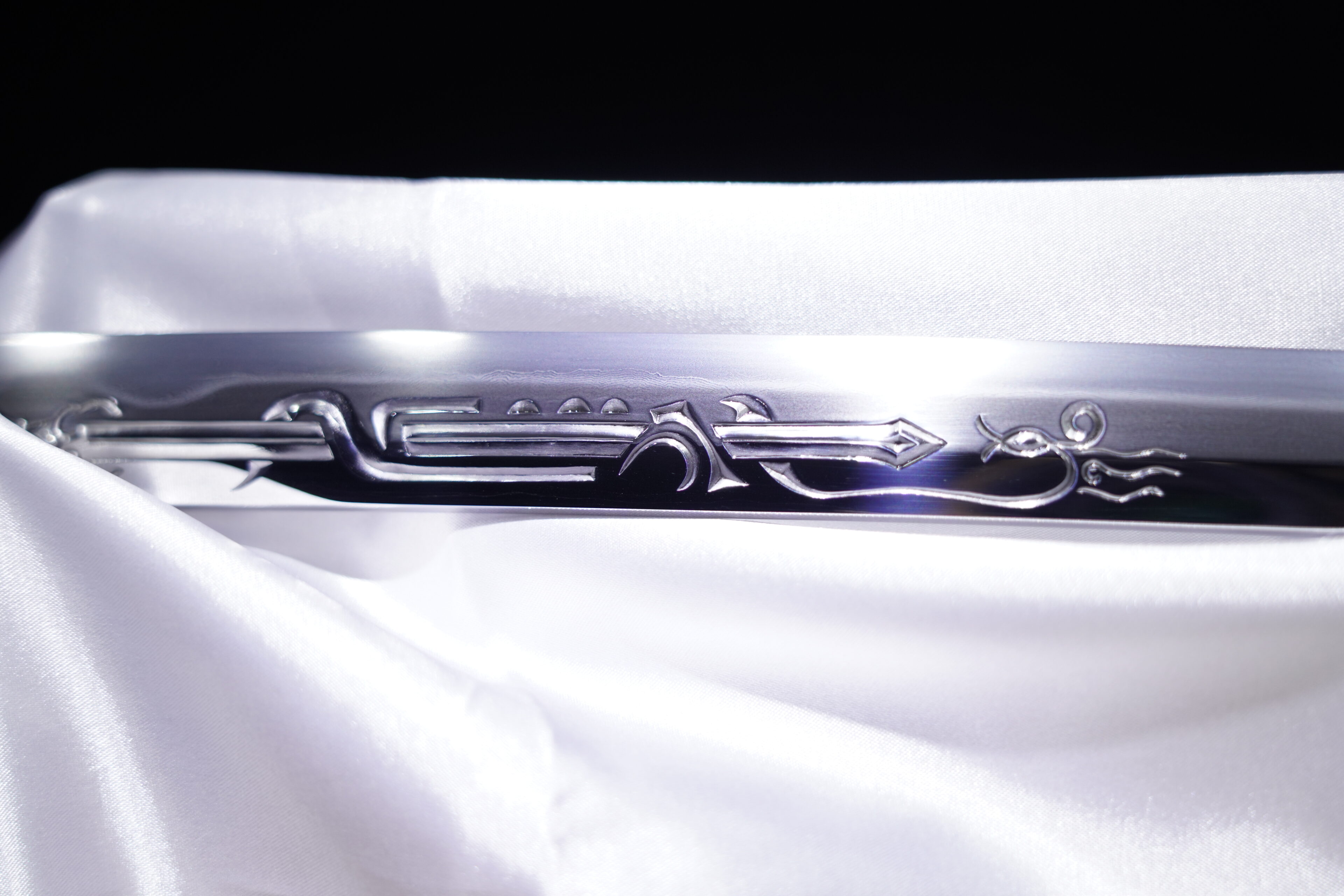
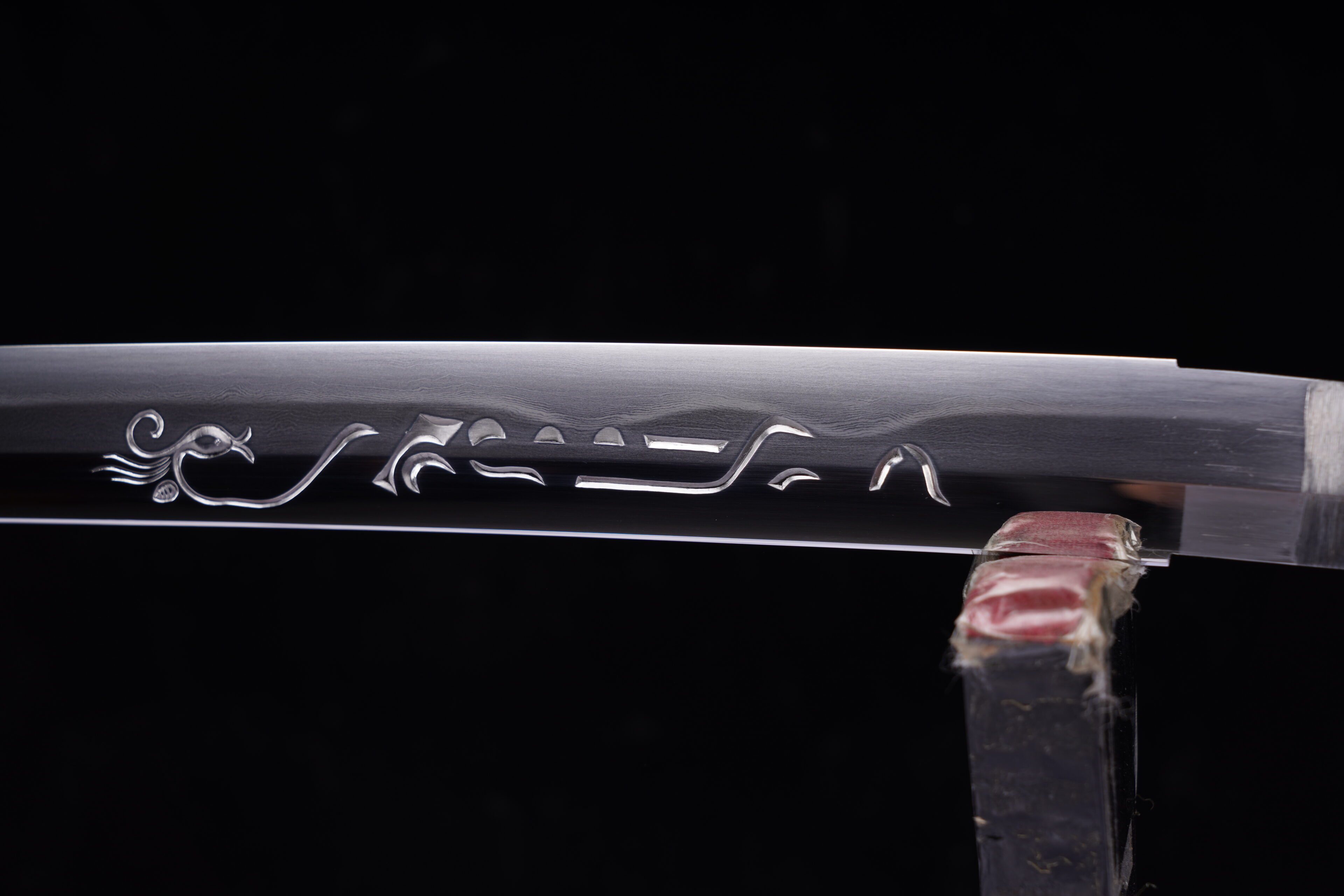
Modeled after the original, the blade is hand carved on both sides with the sword of Fudō Myōō, a Buddhist guardian, wrapped by a dragon. One side shows a vajra-hilted sword with the dragon reduced to flowing, stylized lines, while the other shows a simpler, more abbreviated version of the same design. The motif recalls a legend in which a non-Buddhist heretic challenged Fudō Myōō to a duel. Both transformed into swords and fought to a standstill, until Fudō became Kurikara, a dragon, and coiled around his opponent’s blade, threatening to devour it from the tip, a scene representing Buddhist law triumphing over heterodoxy.
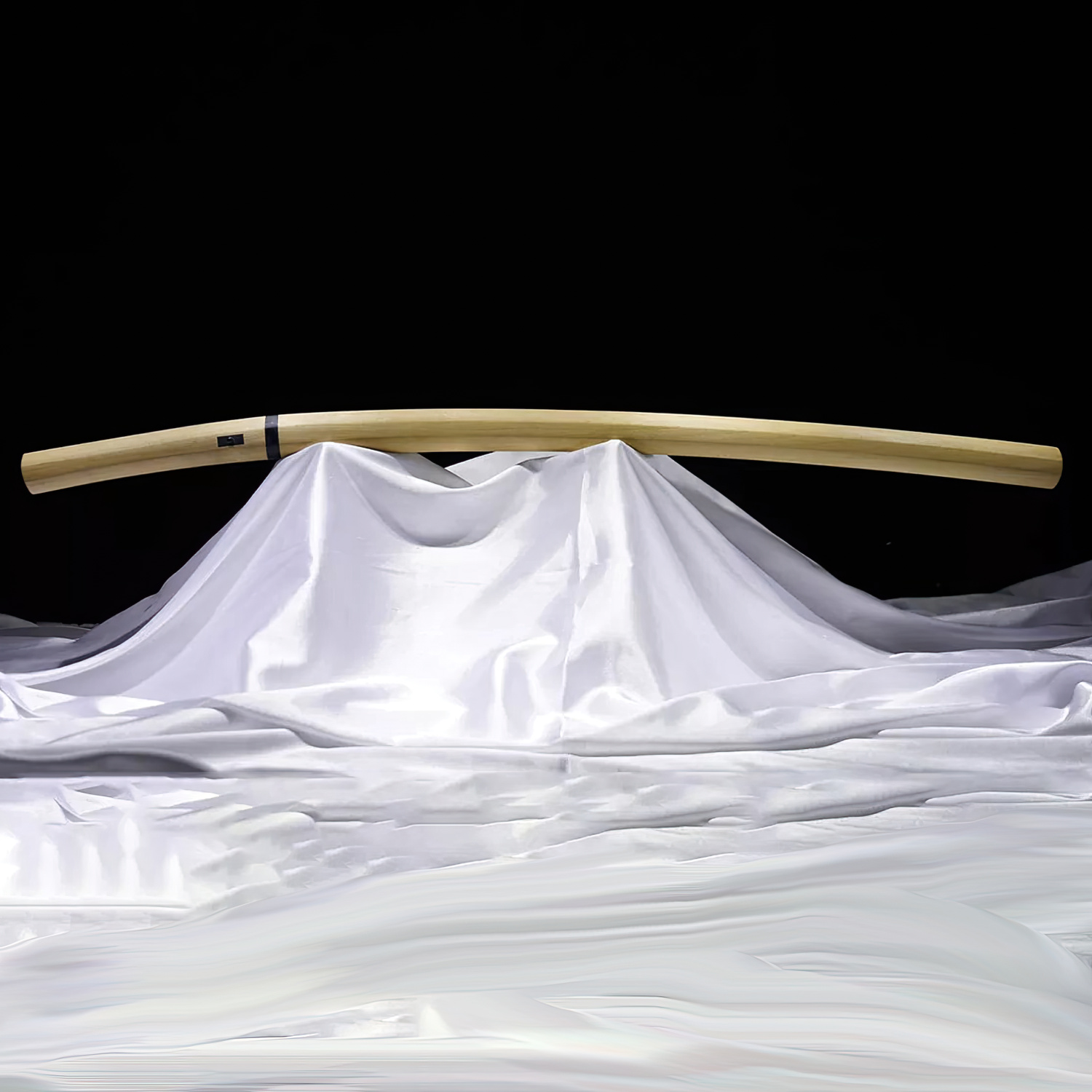
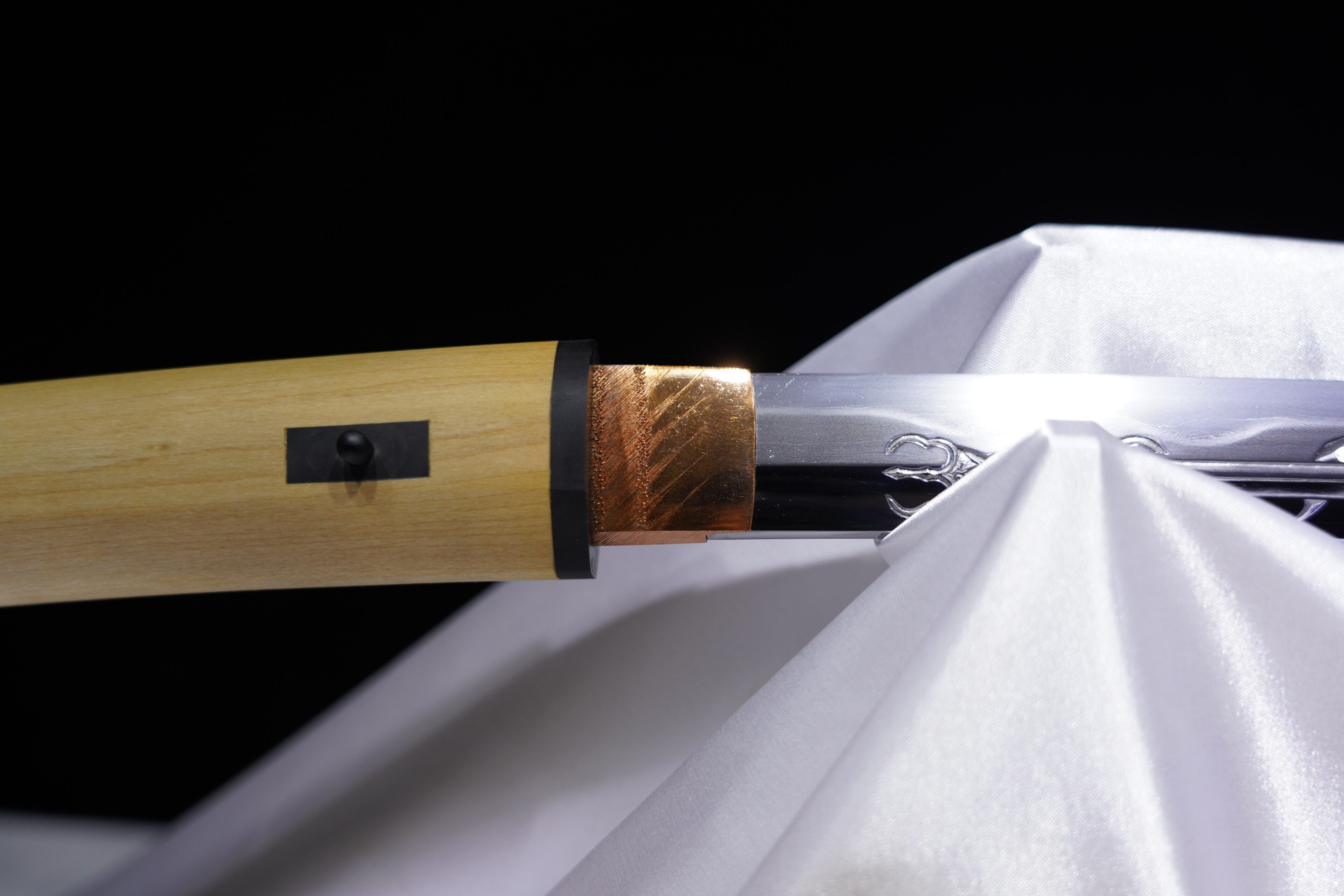
This katana comes in a handmade shirasaya (white scabbard / resting sheath) with a handmade habaki. The plain, unlacquered wood is traditionally used because it breathes, helping to keep the blade dry in storage.
**Note that a shirasaya is a storage mounting, and its fit is not as tight as a katana with full koshirae. Small gaps at the koiguchi are normal and happen as the soft wood moves over time, and the tsuka may shift or loosen gradually. **





 Ordering within the USA:
 Shipping outside of USA:


